
Introduction ❓
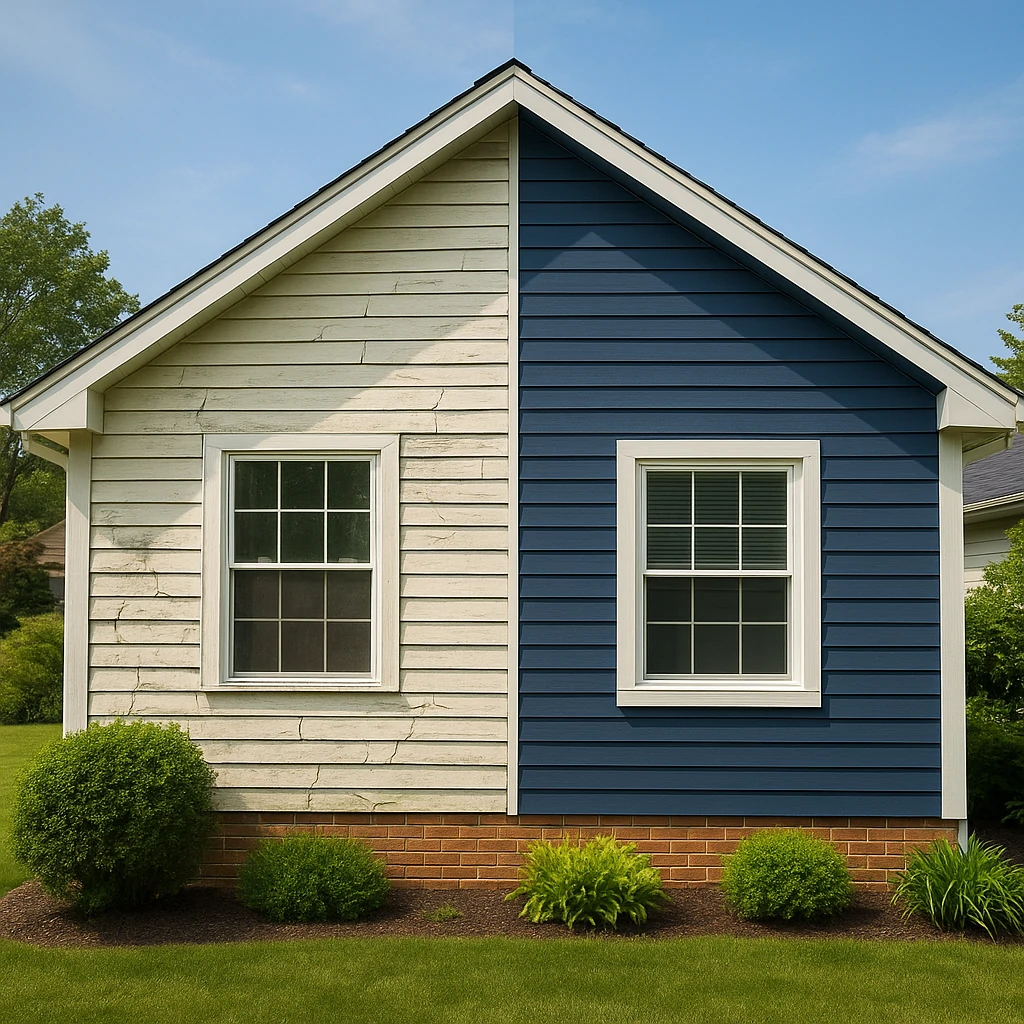
Have you looked at your home’s exterior and wondered if it’s time for new siding? Cracks, fading colors, or rising energy bills can leave you worried about your home’s safety and comfort. Replacing siding at the right time saves money, protects your home, and adds value. In this guide, you’ll learn the clear signs that siding needs replacement, the benefits of updating it, and the best materials to choose for lasting protection.
📄 Quick Facts About Siding Replacement
| Factor | Details |
|---|---|
| Average lifespan of vinyl | 20–40 years (depending on climate and care) |
| Average lifespan of wood | 15–30 years (requires high maintenance) |
| Fiber cement siding | Lasts 40–50 years with low upkeep |
| Common warning signs | Cracks, warping, mold, fading, rising energy bills |
| Cost range (U.S. average) | $5,000 – $15,000 depending on size and material |
| Energy savings potential | 10%–20% reduction in utility bills with insulated siding |
| ROI on new siding | 75%–83% return at resale, according to Remodeling Magazine’s Cost vs. Value |
🔍 Signs That Your Siding Needs Replacement
1. 🚨 Visible Damage
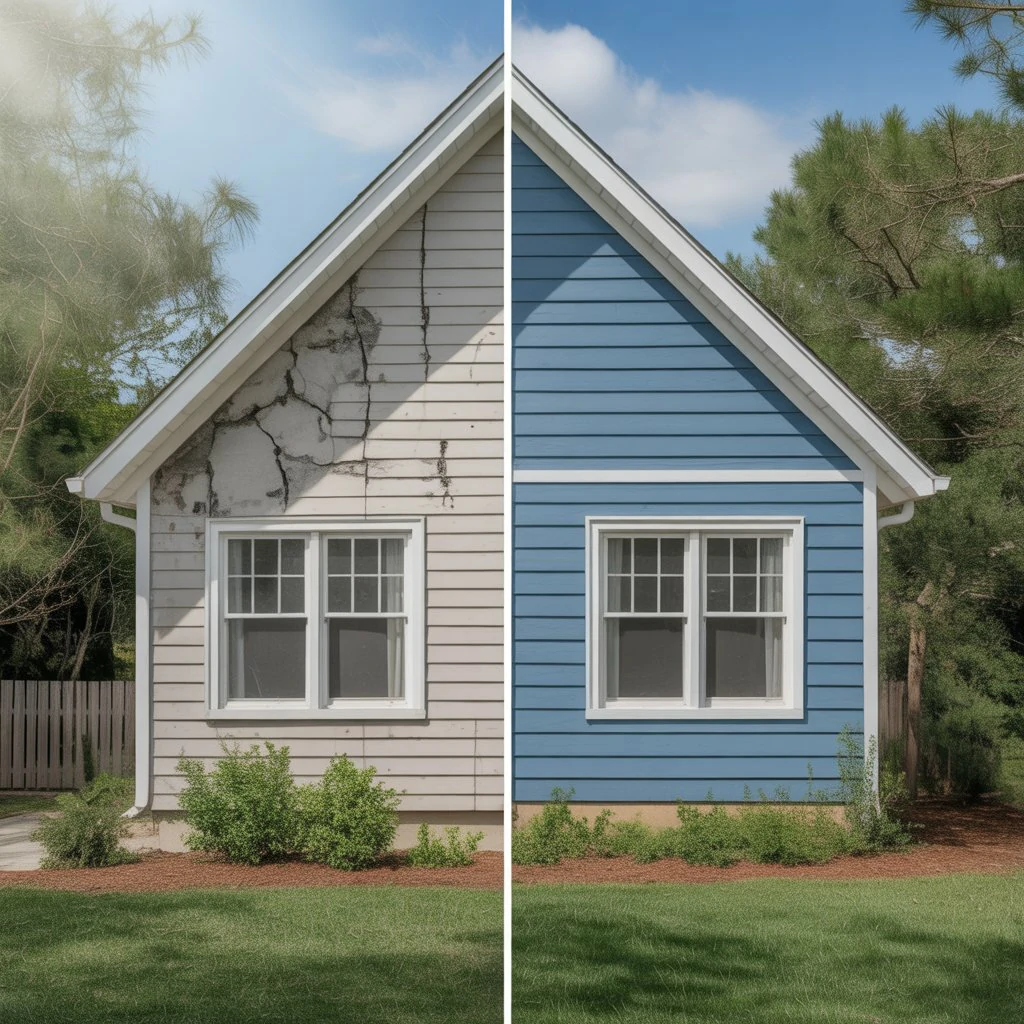
- Cracks, holes, or warped boards mean siding is no longer providing protection.
- Damaged siding allows water intrusion, which can cause rot, mold, and long-term structural damage.
- Water-related repairs are among the most expensive for homeowners, according to housing studies.
2. 🎨 Fading or Peeling Paint
- Heavy fading shows siding has lost its UV protection.
- Frequent repainting signals that siding materials are breaking down underneath.
- Replacement is usually a better investment than constant paint jobs.
3. 🦠 Mold, Mildew, or Fungus
- Growth of mold or mildew is a red flag for trapped moisture.
- Moisture can weaken your home’s frame and create health issues.
- The Environmental Protection Agency (EPA) warns mold exposure may lead to respiratory problems.
4. 💡 Rising Energy Bills
- Siding that no longer insulates well makes HVAC systems work harder.
- Homes with modern insulated siding can save 10–20% on annual energy costs.
5. 🔊 Noise and Drafts
- Poor siding allows outside noise and air drafts to enter your home.
- Quality siding improves insulation and reduces sound transmission.
🌟 Benefits of Replacing Siding
1. 🏡 Enhanced Curb Appeal
- New siding refreshes the entire look of a house.
- Wide material and color options let you match your home’s style.
- Homes with fresh siding attract buyers faster and often sell at higher prices.
2. 💵 Improved Energy Efficiency
- Updated siding with added insulation reduces air leaks.
- The U.S. Department of Energy notes insulation upgrades can cut energy bills by up to 20%.
3. 📈 Increased Home Value
- Siding replacement consistently ranks among the top projects for return on investment.
- Buyers see new siding as a sign of good maintenance and long-term savings.
4. 🌧️ Stronger Protection
- New siding shields against wind, rain, snow, and sun damage.
- Fiber cement and metal siding resist pests, fire, and harsh weather for decades.
🧱 Choosing the Right Siding Material
| Material | Pros | Cons | Lifespan |
|---|---|---|---|
| Vinyl Siding | Affordable, low maintenance, wide variety of colors | Can crack in extreme cold | 20–40 years |
| Fiber Cement | Fire-resistant, durable, looks like wood, low upkeep | Higher upfront cost, heavier to install | 40–50 years |
| Wood Siding | Natural and classic look, customizable | Needs frequent painting, attracts pests | 15–30 years |
| Metal Siding | Strong, modern look, fire and pest resistant | More expensive, can dent | 40+ years |
| Engineered Wood | Resists rot and pests, lower cost than natural wood | Still needs maintenance | 25–40 years |
🛠️ Repair vs. Replace Siding
- Repair is enough when:
- Only a few panels are cracked or warped.
- Color fading is minimal and cosmetic.
- Repainting or resealing solves the issue.
- Full replacement is needed when:
- Over 30% of siding is damaged.
- Mold or rot spreads through large areas.
- Energy bills remain high even after repairs.
📋 Frequently Asked Questions
👉 For expert guidance and siding inspections, visit Akron Roofing Experts.
⭐ Final Thoughts
Recognizing the right time to replace siding protects your home, saves energy, and boosts value. Look for visible damage, rising bills, and signs of moisture. If your siding is reaching the end of its lifespan, consider replacement before issues grow worse. A professional contractor can recommend the best solution for long-lasting protection.