- 📑 What Is a Transparent Sheet?
- ⭐ Why Transparent Sheets Matter in Roofing and Construction
- 📊 Common Materials Used in Transparent Sheets
- 📄 Transparent Polycarbonate Sheets Explained
- 📄 Acrylic Transparent Sheets Explained
- 📄 Transparent PVC Sheets Explained
- 📄 Clear Vinyl Sheets Explained
- 📊 Transparent Sheet Thickness Guide
- 📄 Transparent Sheets vs Glass
- 📄 Roofing Applications of Transparent Sheets
- 📄 Energy Efficiency and Light Transmission
- 📄 Weather Resistance and Durability
- 📄 Installation Best Practices
- 📄 Maintenance and Cleaning
- 📄 Common Problems and Solutions
- 📄 Industry Use Cases
- 📄 Sustainability and Recycling
- 📄 Cost Considerations
- 📄 Why Professionals Choose Transparent Sheets
- 📄 Buying Checklist
- 📄 Conclusion
Have you ever needed light to pass through a roof, cover, or barrier but worried about cracks, leaks, or safety issues? I ask this because many homeowners, builders, and business owners face the same problem. Glass feels risky. Metal blocks light. This is where a transparent sheet becomes a smart and proven solution. In this detailed guide, I explain what a transparent sheet is, how it works, the materials used, and why roofing and construction professionals rely on it. For expert roofing guidance or professional installation support, visit akronroofingexperts.com.
📑 What Is a Transparent Sheet?
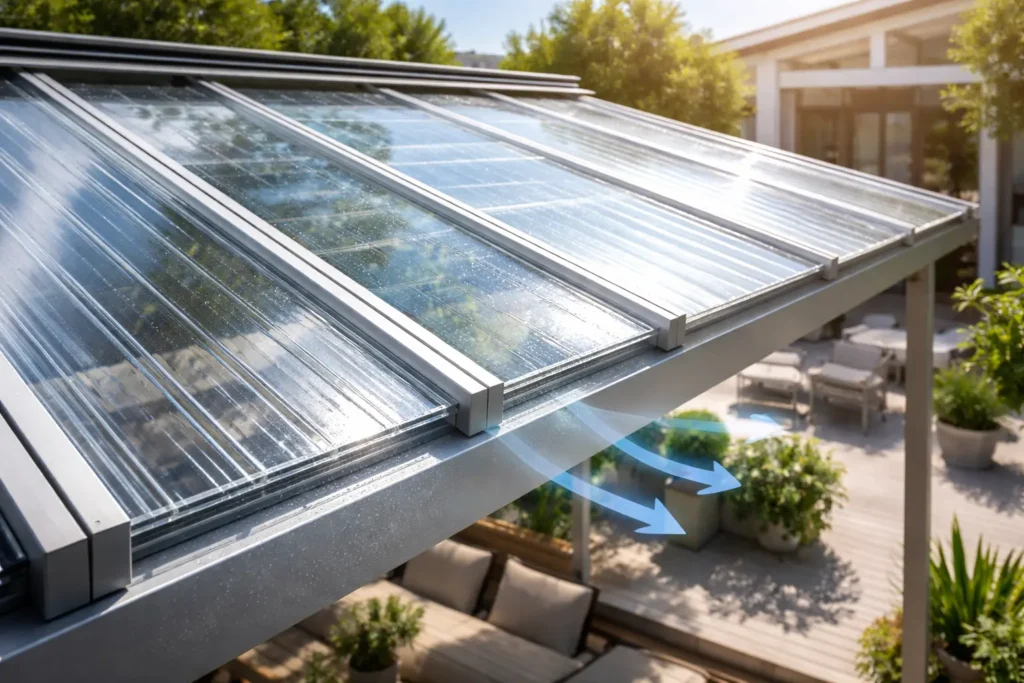
A transparent sheet is a flat, clear panel made from engineered plastic materials. It allows visible light to pass through while still providing protection, strength, and coverage. Unlike glass, transparent sheets weigh less and resist shattering. Industries use them in roofing, skylights, partitions, displays, and protective barriers.
Transparent sheets come in different materials, thickness levels, and surface finishes. Each type serves a specific purpose based on strength, clarity, weather resistance, and flexibility.
⭐ Why Transparent Sheets Matter in Roofing and Construction
Transparent sheets play a critical role in modern construction. Builders use them to bring daylight indoors without compromising safety. According to construction material studies, daylighting can reduce electricity use by up to 20–30% in commercial buildings when planned correctly.
Transparent roofing sheets support:
- Natural lighting
- Energy efficiency
- Weather protection
- Visual openness
These benefits explain why architects and roofing contractors increasingly choose transparent sheets over traditional materials.
📊 Common Materials Used in Transparent Sheets
| Material | Common Name | Typical Thickness | Key Property | Roofing Suitability |
|---|---|---|---|---|
| Polycarbonate | PC Sheet | 1–12 mm | High impact resistance | Excellent |
| Acrylic | PMMA Sheet | 1–8 mm | High clarity | Good |
| PVC | Clear PVC Sheet | 0.25–1.5 mm | Flexible, low cost | Limited |
| Vinyl | Clear Vinyl | 0.2–3 mm | Soft, flexible | Temporary |
Each material behaves differently under heat, impact, and UV exposure. Choosing the right one prevents early failure.
📄 Transparent Polycarbonate Sheets Explained
Polycarbonate sheets rank among the strongest transparent materials used in roofing. Tests show polycarbonate can withstand impacts 200 times stronger than glass of the same thickness.
⭐ Key properties
- High impact resistance
- UV-protected options available
- Performs well in extreme temperatures
- Lightweight yet strong
📑 Common roofing uses
- Skylights
- Patio covers
- Greenhouse roofs
- Walkway canopies
Roofing professionals often recommend polycarbonate sheets for areas exposed to hail, debris, or strong winds.
📄 Acrylic Transparent Sheets Explained
Acrylic sheets, also called PMMA sheets, offer exceptional visual clarity. Light transmission can reach 92%, higher than most glass types.
⭐ Key properties
- Crystal-clear appearance
- Smooth glossy finish
- Scratch-resistant surface
- Moderate impact strength
📑 Common uses
- Decorative roofing panels
- Interior partitions
- Display glazing
- Light diffusers
Acrylic works best where appearance matters more than extreme strength.
📄 Transparent PVC Sheets Explained
PVC transparent sheets provide flexibility and cost control. Manufacturers commonly produce them in thin gauges.
⭐ Key properties
- Flexible and lightweight
- Water-resistant
- Easy to cut and handle
- Budget-friendly
📑 Common uses
- Temporary covers
- Protective overlays
- Interior barriers
- Packaging windows
PVC sheets suit light-duty projects but not permanent roofing.
📄 Clear Vinyl Sheets Explained
Clear vinyl sheets are soft and bend easily. Industries use them where movement or temporary separation is required.
⭐ Key properties
- High flexibility
- Weather-resistant grades available
- Easy to roll and store
📑 Common uses
- Industrial strip curtains
- Temporary enclosures
- Dust and wind barriers
Vinyl does not replace rigid roofing panels but works well for temporary solutions.
📊 Transparent Sheet Thickness Guide
| Thickness Range | Best Application |
|---|---|
| 0.25–0.5 mm | Overlays, covers |
| 0.5–1.0 mm | Light partitions |
| 1.0–3.0 mm | Skylights, glazing |
| 3.0–12 mm | Roofing, safety panels |
Choosing the correct thickness prevents bending, cracking, or premature damage.
📄 Transparent Sheets vs Glass
| Feature | Transparent Sheet | Glass |
|---|---|---|
| Weight | Lightweight | Heavy |
| Impact resistance | High (polycarbonate) | Low |
| Safety | Shatter-resistant | Breaks into shards |
| Installation | Easier | Complex |
| Cost | Lower lifecycle cost | Higher replacement cost |
Because of safety concerns, many building codes now encourage plastic glazing materials in public areas.
📄 Roofing Applications of Transparent Sheets
⭐ Residential roofing
- Patio covers
- Sunrooms
- Pergolas
- Skylights
⭐ Commercial roofing
- Warehouse daylight panels
- Shopping mall walkways
- Parking structures
Transparent roofing improves comfort while reducing artificial lighting needs.
📄 Energy Efficiency and Light Transmission
Transparent sheets support daylight harvesting. Studies from building efficiency programs show that daylighting reduces cooling demand by lowering heat from artificial lighting.
Polycarbonate sheets with UV coatings block harmful rays while allowing visible light. This balance protects interiors from fading while keeping spaces bright.
📄 Weather Resistance and Durability
Modern transparent sheets include UV-stabilized layers. These layers slow yellowing and surface breakdown. Polycarbonate roofing sheets often last 10–15 years when installed correctly.
Proper slope, sealing, and expansion gaps increase lifespan.
📄 Installation Best Practices
🛠️ Cutting
- Use fine-tooth blades
- Support sheet edges
- Cut slowly to prevent melting
🛠️ Drilling
- Pre-drill oversized holes
- Avoid tight fasteners
- Use rubber washers
🛠️ Fixing
- Allow thermal expansion
- Follow manufacturer spacing
- Seal joints properly
Correct installation prevents leaks and stress cracks.
📄 Maintenance and Cleaning
⭐ Recommended care
- Wash with mild soap and water
- Use soft cloths
- Rinse dirt before wiping
⭐ Avoid
- Ammonia cleaners
- Abrasive pads
- High-pressure washing
Routine cleaning keeps sheets clear and extends service life.
📄 Common Problems and Solutions
| Problem | Cause | Solution |
|---|---|---|
| Yellowing | UV exposure | Use UV-coated sheets |
| Cracking | No expansion gap | Oversize drill holes |
| Scratches | Rough cleaning | Use soft cloth |
| Leaks | Poor sealing | Use proper gaskets |
Most failures happen due to installation errors, not material flaws.
📄 Industry Use Cases
🏠 Residential
Homeowners use transparent sheets for patios and skylights to increase daylight.
🏢 Commercial
Retail buildings install them to create bright, welcoming spaces.
🏭 Industrial
Factories use them for safety guards and daylight panels.
🌱 Agricultural
Greenhouses rely on polycarbonate sheets for controlled light exposure.
📄 Sustainability and Recycling
Many transparent sheets are recyclable. Polycarbonate and acrylic recycling programs exist in many regions. PVC recycling requires specialized facilities.
Using long-life materials reduces waste and replacement frequency.
📄 Cost Considerations
| Material | Relative Cost | Lifespan |
|---|---|---|
| PVC | Low | Short |
| Acrylic | Medium | Medium |
| Polycarbonate | Higher | Long |
Although polycarbonate costs more upfront, its durability lowers total ownership cost.
📄 Why Professionals Choose Transparent Sheets
Roofing experts select transparent sheets because they:
- Improve daylighting
- Enhance safety
- Reduce structural load
- Offer design flexibility
For professional roofing solutions and expert material selection, visit https://akronroofingexperts.com.
📄 Buying Checklist
- Confirm application type
- Choose correct thickness
- Verify UV protection
- Check fire ratings
- Review local building codes
Careful planning prevents costly mistakes.
📄 Conclusion
A transparent sheet is a reliable, safe, and efficient material for roofing and construction projects that demand light and protection. Polycarbonate, acrylic, PVC, and vinyl each serve specific roles based on strength and clarity. When selected and installed correctly, transparent sheets outperform glass in safety, weight, and durability. For trusted guidance, inspections, or professional roofing services, akronroofingexperts.com remains a dependable resource.