
- Introduction ❓
- 📑 What is Open Concept Living?
- ⭐ Benefits of Open Concept Living
- 🍳 Kitchen: The Heart of the Open Floor Plan
- 🛋️ Furniture and Storage Solutions
- 🗂️ Creating Zones in an Open Space
- 🌟 Practical Advantages Beyond Style
- 🎨 Design Tips for Cohesive Spaces
- ⚒️ Challenges and Smart Fixes
- 📘 Real-Life Open Concept Examples
- 📊 Traditional vs Open Concept
- ✅ Conclusion
- ❓ Frequently Asked Questions (FAQs)
Introduction ❓
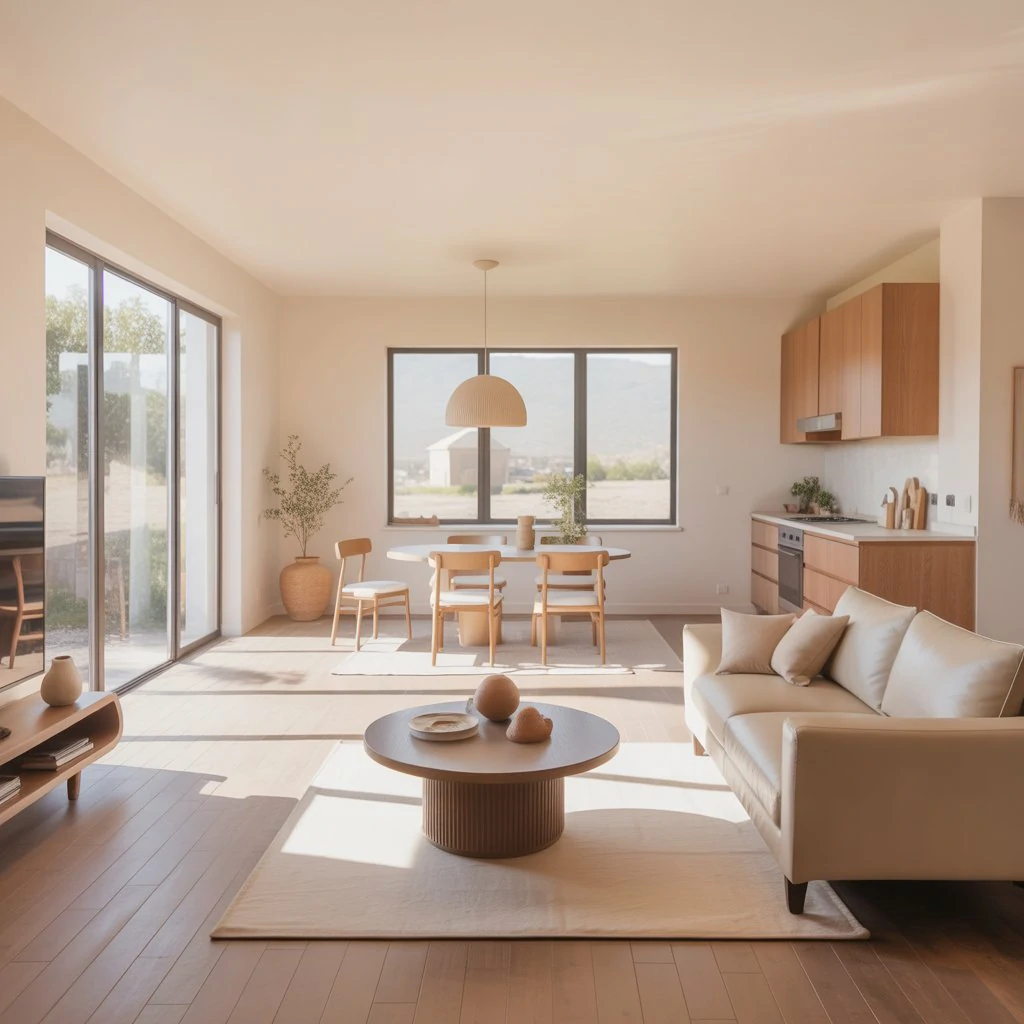
Have you ever wondered why your home feels smaller or less connected than it should? Many homeowners face the same issue—separate rooms that cut off natural light, make entertaining harder, and reduce the sense of connection with family. That’s where open concept living comes in. By removing walls and blending spaces like the kitchen, dining, and living room, you can create a home that feels brighter, larger, and more functional.
📑 What is Open Concept Living?
Open concept living means removing unnecessary walls and barriers to create a seamless flow between spaces. Instead of dividing rooms, you combine them into one open floor plan that promotes connection, functionality, and flexibility.
Key Features
- Minimal interior walls 🚪
- Flow between multiple spaces 🔄
- Shared natural light ☀️
- Multipurpose design 🎉
⭐ Benefits of Open Concept Living
| Benefit | Explanation | Example |
|---|---|---|
| More Natural Light | Without walls, sunlight spreads across rooms. | A single window brightens both kitchen and living area. |
| Family Connection | Families can interact while in different zones. | Parents cooking while children study at the dining table. |
| Flexible Layout | Furniture can define zones instead of walls. | Rearrange seating for guests or daily use. |
| Improved Functionality | Spaces are accessible and open. | Guests move easily from dining table to sofa. |
| Modern Appeal | Buyers love open layouts. | Homes with open designs often sell faster. |
🍳 Kitchen: The Heart of the Open Floor Plan
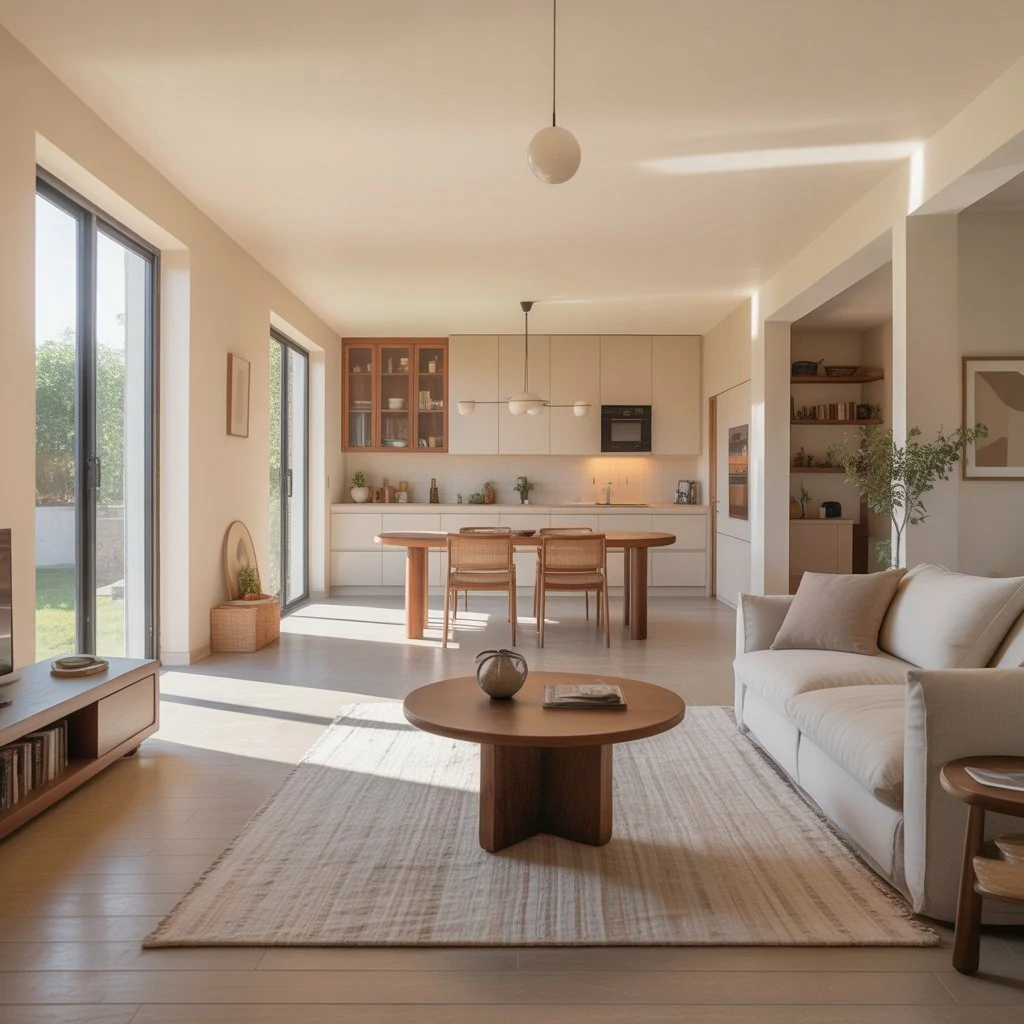
The kitchen becomes the centerpiece in open layouts. It’s no longer hidden—it’s part of the main living space.
Design Ideas
- Kitchen Island: Serves as a divider, adds storage, and provides extra seating.
- Breakfast Bar: Ideal for casual meals and quick snacks.
- Matching Finishes: Keep countertops, flooring, and cabinets consistent with the rest of the space.
👉 Fun Fact: Nearly 90% of new U.S. homes feature an open kitchen-dining-living design.
🛋️ Furniture and Storage Solutions
Smart furniture keeps an open plan functional and stylish.
- Sectional Sofas 🛋️: Shape living zones and guide traffic flow.
- Accent Chairs 👤: Flexible seating that defines areas.
- TV Stands with Storage 📦: Entertainment combined with organization.
- Multifunctional Pieces 🪑: Sofa beds, ottomans with storage, or foldable tables.
🗂️ Creating Zones in an Open Space
Although open layouts remove walls, zones are still important for structure and comfort.
Ways to Define Zones
- Rugs 🛋️: Different colors or textures separate dining and lounge areas.
- Lighting 💡: Pendants for kitchens, chandeliers for dining, and lamps for reading.
- Furniture Placement 🛋️: Arrange seating to form natural boundaries.
- Accent Walls 🎨: Highlight areas with unique colors or wallpaper.
| Zone | Elements | Purpose |
|---|---|---|
| Living Area | Sofa + Rug + Coffee Table | Relaxation and family time |
| Dining Area | Table + Chandelier | Meals and gatherings |
| Kitchen Zone | Island + Pendant Lights | Cooking and casual seating |
| Work Corner | Desk + Bookshelf | Productivity |
🌟 Practical Advantages Beyond Style
Open layouts solve more than aesthetic problems—they offer real, daily benefits.
- Traffic Flow: Movement is smoother without doors and hallways.
- Entertaining: Guests feel included whether in the kitchen or living room.
- Family Supervision: Parents can see kids playing while they cook.
- Adaptability: Spaces grow with your family’s changing needs.
📊 According to the National Association of Home Builders (NAHB), 84% of homebuyers prefer homes with open layouts that connect the kitchen with living spaces.
🎨 Design Tips for Cohesive Spaces
- Choose a Unified Color Palette: Stick to a few complementary shades.
- Consistent Flooring: Same material throughout for visual flow.
- Hidden Storage: Built-in cabinets or shelving keep clutter away.
- Balanced Decor: Minimal decorations to maintain openness.
👉 For more design and remodeling guidance, check Akron Roofing Experts.
⚒️ Challenges and Smart Fixes
| Challenge | Solution |
|---|---|
| Noise 🔊 | Use rugs, curtains, or acoustic panels to soften sounds. |
| Cooking Smells 🍲 | Install strong ventilation systems or range hoods. |
| Lack of Privacy 🚪 | Add sliding panels or tall bookcases when needed. |
| Clutter Visibility 📦 | Use stylish storage options like benches or ottomans. |
📘 Real-Life Open Concept Examples
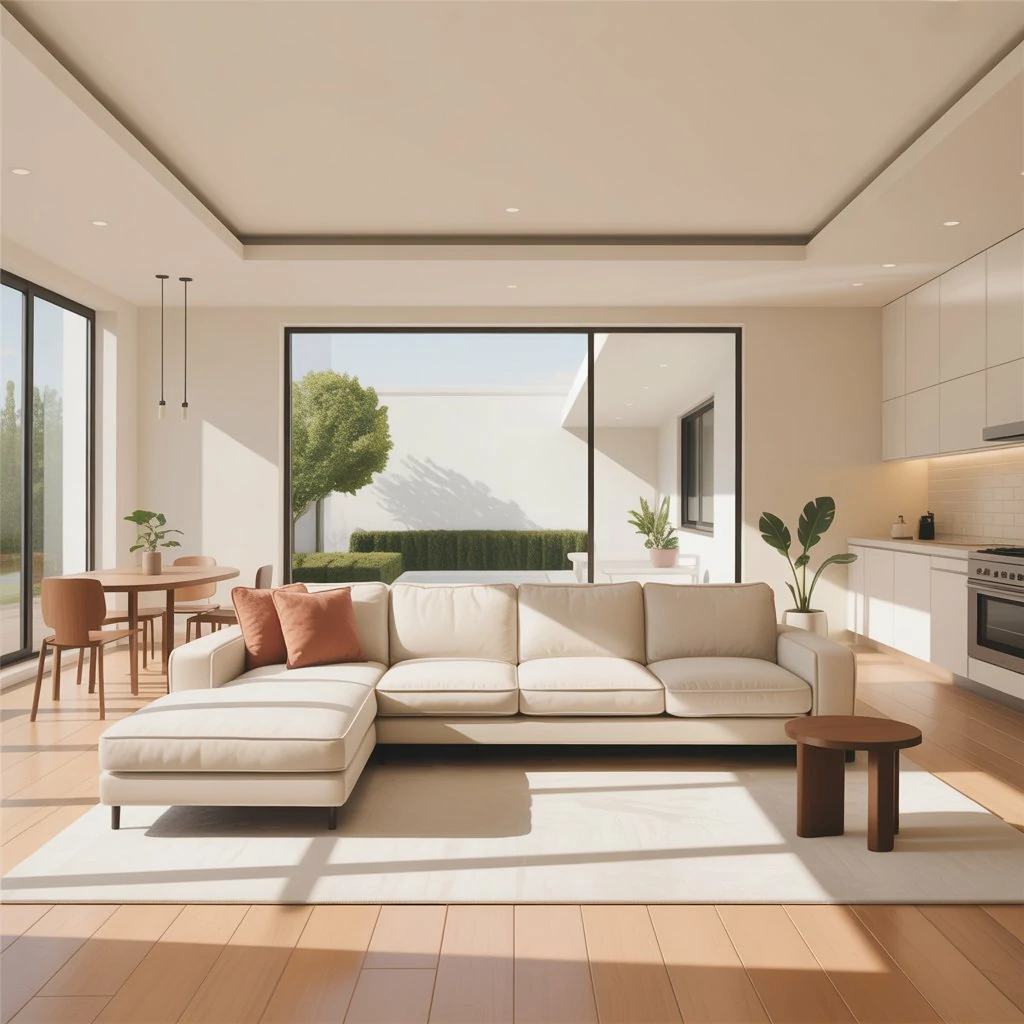
- Family Home 👨👩👧: Parents cook while kids do homework nearby at the island.
- Entertainer’s Setup 🎉: Guests flow freely between the sofa, dining table, and kitchen.
- Compact Apartment 🏢: Rugs and pendant lights create defined areas without walls.
📊 Traditional vs Open Concept
| Feature | Traditional Floor Plan | Open Concept Living |
|---|---|---|
| Walls | Many partitions | Few to none |
| Privacy | More enclosed | Shared and open |
| Light | Limited per room | Flows across spaces |
| Interaction | More isolated | Easy connection |
| Flexibility | Fixed functions | Multipurpose zones |
✅ Conclusion
Open concept living is more than a style trend—it’s a smart solution that makes homes brighter, more spacious, and family-friendly. From better light to improved traffic flow, the benefits are clear. By using smart furniture, creating zones, and keeping design cohesive, you can transform your home into a welcoming, functional space.
❓ Frequently Asked Questions (FAQs)
For expert advice and trusted home services, visit 👉 Akron Roofing Experts.