
- Introduction❓
- 📄What Are Insulated Roof Panels?
- ⭐Key Benefits of Insulated Roof Panels
- 📄Common Core Materials for Insulated Roof Panels
- 📄Applications of Insulated Roof Panels
- ⭐Environmental Impact and Sustainability
- 📄Energy Savings With Insulated Roof Panels
- 👷Installation Process of Insulated Roof Panels
- ⭐Comparing Insulated Roof Panels With Traditional Roofing
- 📄Cost Factors of Insulated Roof Panels
- ⭐Maintenance of Insulated Roof Panels
- 📄Life Expectancy Comparison
- ⭐ Future Trends in Insulated Roof Panels
- FAQs❓💬
- 📄 Final Thoughts
Introduction❓
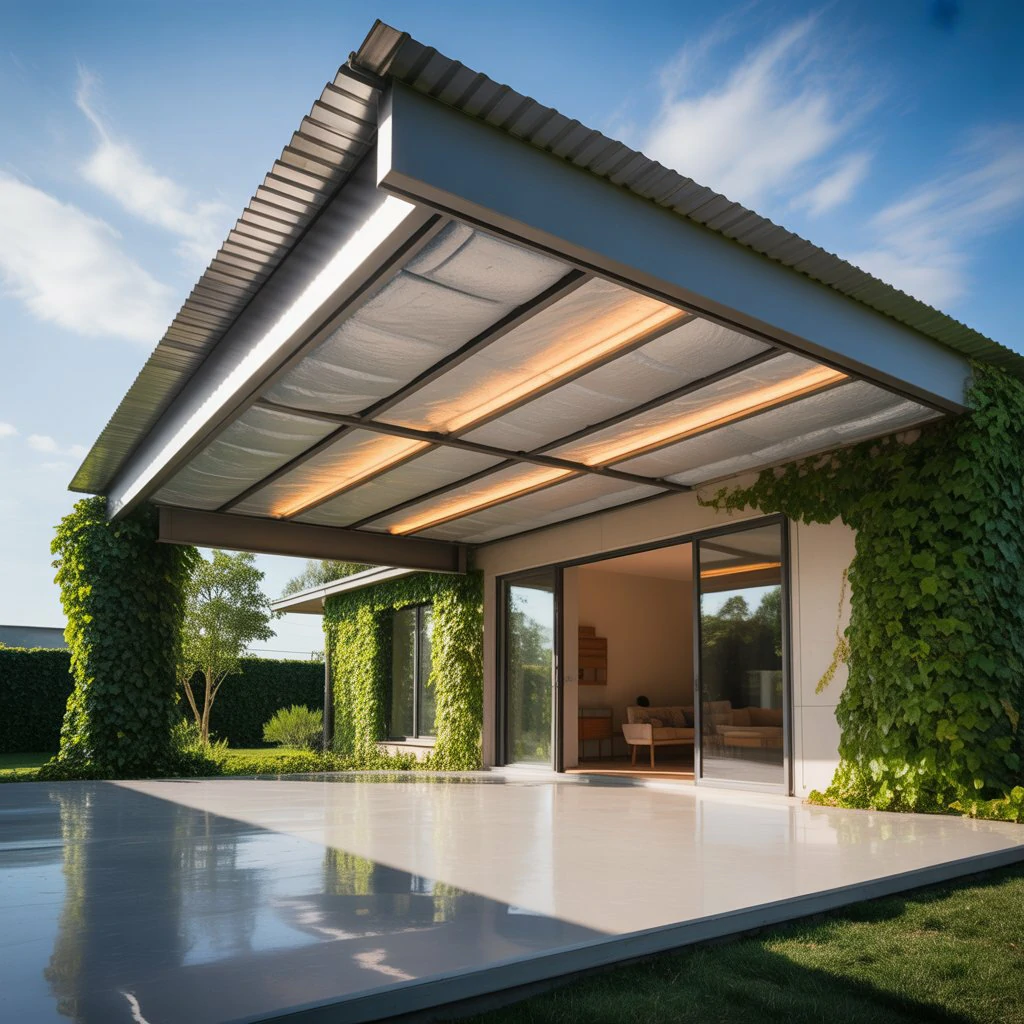
Have you ever wondered why your energy bills keep rising even though you try everything to cut costs? Or why some homes stay cooler in summer and warmer in winter without relying too much on HVAC systems? The answer often lies above your head—your roof. I’m going to walk you through insulated roof panels, a modern solution that not only improves energy efficiency but also enhances comfort and durability.
📄What Are Insulated Roof Panels?
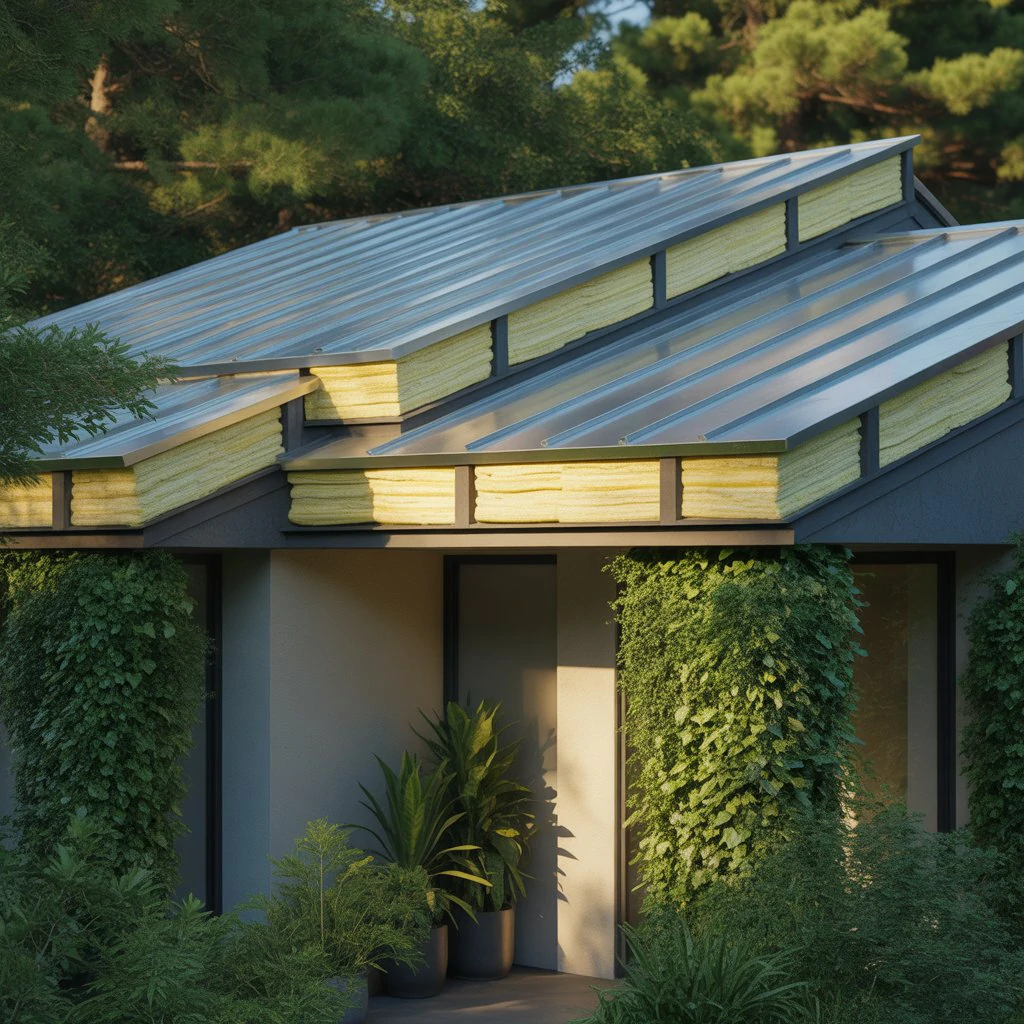
Insulated roof panels (IRPs) are building materials designed with two metal sheets and a core layer of insulation in between. This design provides thermal resistance, structural strength, and weather protection in a single product.
✅ Core Materials Commonly Used:
- Polyurethane (PUR)
- Polyisocyanurate (PIR)
- Expanded Polystyrene (EPS)
- Mineral Wool
These materials prevent heat transfer, keeping indoor spaces more comfortable year-round.
⭐Key Benefits of Insulated Roof Panels
💡Energy Efficiency
Insulated panels reduce heat gain in summer and heat loss in winter, cutting HVAC costs significantly. According to the U.S. Department of Energy, improving roof insulation can lower annual energy use by up to 20–30%.
🧱Durability and Strength
The metal outer layers resist corrosion, impact, and harsh weather conditions, making them long-lasting with minimal maintenance.
👷Easy Installation
IRPs are pre-fabricated and lightweight. Contractors can install them faster compared to traditional roofing systems, reducing labor costs.
🔥Fire Resistance
When made with mineral wool or PIR cores, insulated panels can achieve excellent fire ratings, ensuring safety in residential, commercial, and industrial applications.
🎨Design Flexibility
Manufacturers offer panels in multiple colors, coatings, and profiles, making them suitable for both modern homes and industrial buildings.
📄Common Core Materials for Insulated Roof Panels
| Core Material | Thermal Performance 🔥 | Fire Resistance 🧯 | Cost 💲 | Best For 🏗️ |
|---|---|---|---|---|
| Polyurethane (PUR) | Excellent | Moderate | Medium | Homes, offices |
| Polyisocyanurate (PIR) | High | High | High | Commercial, industrial |
| Expanded Polystyrene (EPS) | Good | Low | Low | Budget-friendly builds |
| Mineral Wool | Good | Excellent | High | Fire-prone zones |
📄Applications of Insulated Roof Panels
- 🏠 Residential Buildings: Homes, garages, and extensions
- 🏭 Industrial Structures: Warehouses, factories, workshops
- 🏢 Commercial Properties: Shopping centers, offices, schools
- ❄️ Cold Storage Units: Food processing and refrigeration facilities
⭐Environmental Impact and Sustainability
Using insulated roof panels reduces a building’s carbon footprint. They lower energy demand, decrease reliance on fossil fuels, and support green building certifications like LEED. Many panels are recyclable at the end of their life cycle.
📄Energy Savings With Insulated Roof Panels
| Building Type 🏗️ | Average Energy Savings (%) | Typical Payback Period (Years) |
|---|---|---|
| Residential Homes 🏠 | 20–25% | 3–5 years |
| Commercial Offices 🏢 | 25–30% | 4–6 years |
| Industrial Sites 🏭 | 15–20% | 5–7 years |
👷Installation Process of Insulated Roof Panels
Steps Involved 📄
- Preparation – Clean and level roof deck.
- Panel Placement – Panels aligned and fixed with fasteners.
- Sealing – Joints sealed to prevent leaks and air gaps.
- Finishing Touches – Flashing and trims applied for aesthetics and durability.
Key Advantages of Installation ⚡
- Less time compared to traditional roofing
- Reduced labor expenses
- Minimal waste generation
⭐Comparing Insulated Roof Panels With Traditional Roofing
| Feature 📄 | Insulated Roof Panels | Traditional Roofing |
|---|---|---|
| Installation Speed ⚡ | Fast (prefabricated) | Slow (multi-layer) |
| Energy Efficiency 🌡️ | High | Low |
| Durability 🧱 | Strong and long-lasting | Moderate |
| Maintenance 🛠️ | Minimal | Frequent repairs |
| Cost 💲 | Higher upfront, long-term savings | Lower upfront, higher long-term costs |
📄Cost Factors of Insulated Roof Panels
- 📏 Panel Thickness – Thicker panels = better insulation but higher cost.
- 🧱 Core Material – PIR and mineral wool are more expensive than EPS.
- 🛠️ Installation Complexity – Simple roof structures cost less to install.
- 🏗️ Building Size – Larger projects require more material but benefit from bulk savings.
Estimated Price Range:
- Residential use: $15–$25 per square foot
- Commercial/Industrial: $20–$35 per square foot
⭐Maintenance of Insulated Roof Panels
- 🧽 Regular Cleaning – Remove dirt and debris.
- 🔧 Seal Check – Inspect joints and fasteners annually.
- 🧱 Corrosion Control – Check metal coatings for damage.
With proper care, insulated roof panels can last 40–50 years.
📄Life Expectancy Comparison
| Roofing Type 📄 | Average Lifespan (Years) |
|---|---|
| Insulated Roof Panels | 40–50 |
| Asphalt Shingles | 20–25 |
| Metal Roofs | 30–40 |
| Flat Roof Membranes | 15–20 |
⭐ Future Trends in Insulated Roof Panels
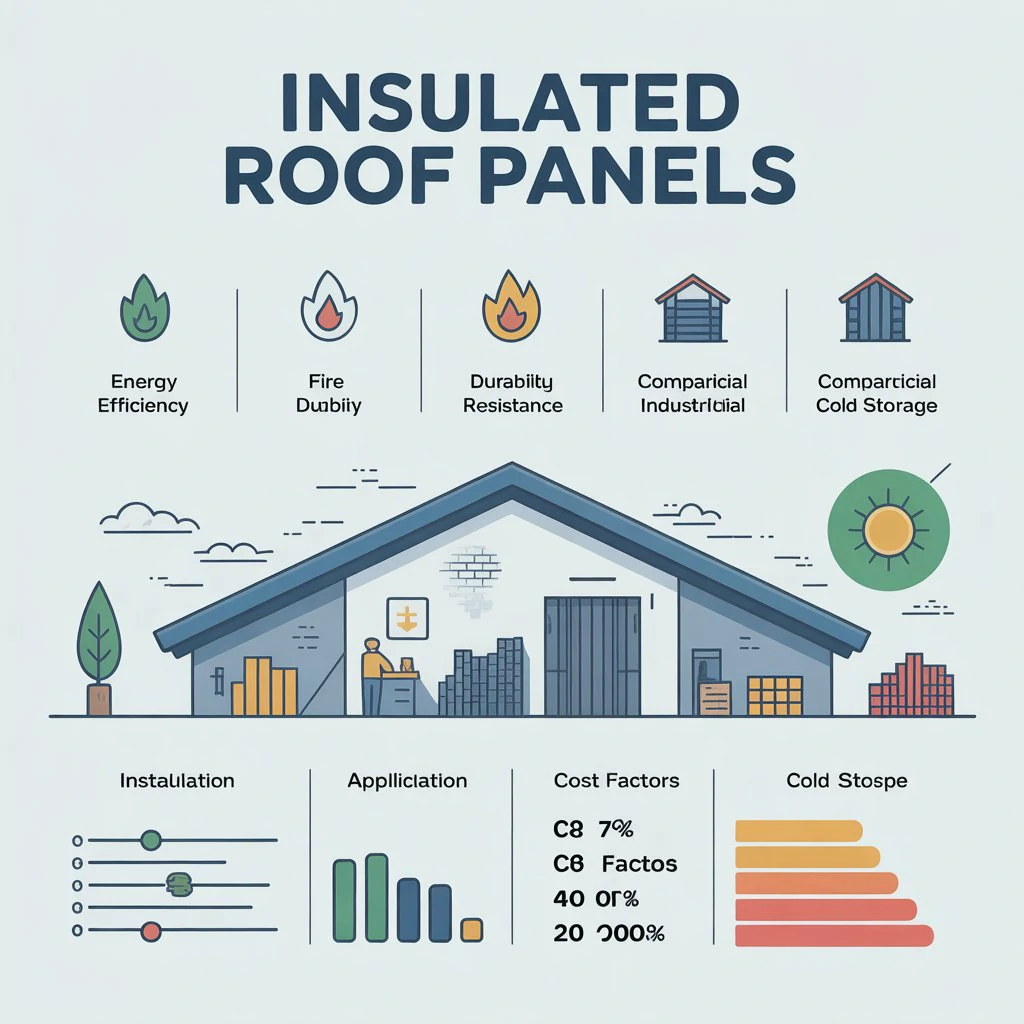
- 🌿 Eco-Friendly Materials – More use of recycled metals and bio-based cores.
- 🔋 Smart Roofing Systems – Integration with solar panels for energy generation.
- 🏗️ Prefabricated Construction – Growing demand in modular housing and commercial builds.
FAQs❓💬
📄 Final Thoughts
Insulated roof panels are more than just a roofing solution—they are a long-term investment in energy efficiency, durability, and comfort. Whether you’re a homeowner looking to cut down bills or a business aiming for sustainable construction, IRPs deliver clear advantages.
👉 For more professional information, visit Akron Roofing Experts.