
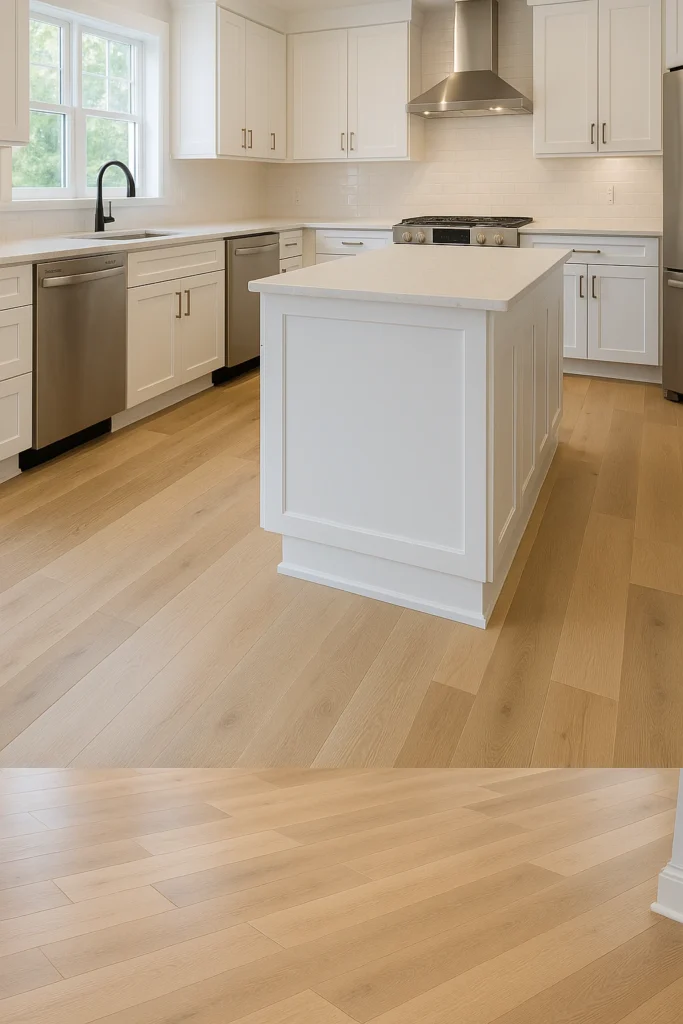
🤔 Introduction: Are You Struggling With Kitchen Flooring Choices?
Have you ever stepped into your kitchen and felt that the floor simply wasn’t right? Maybe it’s too slippery, too hard to clean, or just outdated. I’ve been there, and I know how frustrating it feels. The truth is, choosing the right flooring for your kitchen is about much more than design. It’s about comfort, durability, and creating a space that can handle daily life.
Your kitchen floor faces spills, heavy foot traffic, dropped utensils, and constant use. Unlike the living room or bedroom, it has to withstand far greater challenges. That raises an important question: Which flooring option will stand up to the demands of a busy kitchen while keeping it stylish and practical?
For more professional advice and home renovation solutions, visit 👉 Akron Roofing Experts.
📑 Why Kitchen Flooring Matters
Kitchen flooring impacts comfort, functionality, and the value of your home. The wrong choice can lead to cracked tiles, swollen planks, or expensive repairs.
Key Factors to Consider
- 💧 Moisture resistance for everyday spills and potential leaks
- 🔥 Heat durability near ovens and stoves
- 👣 Comfort for long periods of standing while cooking
- 🧽 Ease of cleaning to keep your kitchen hygienic
- ⭐ Durability and lifespan to avoid frequent replacements
📌 Fact: According to the National Association of Realtors (NAR), upgrading kitchen flooring can return up to 80% of its cost at resale.
🧱 Popular Kitchen Flooring Options
1. Hardwood Flooring 🌳
Hardwood remains one of the most desired flooring choices for kitchens because of its timeless beauty and warmth. It’s available in species such as oak, maple, cherry, and hickory.
Pros
- Adds natural charm and high resale value
- Can be refinished multiple times
- Long lifespan of up to 100 years
Cons
- Susceptible to water damage and stains
- Requires sealing and maintenance
- More expensive than vinyl or laminate
📌 Fact: Engineered hardwood, which uses a plywood core, offers better resistance to moisture than solid hardwood.
2. Laminate Flooring
Laminate is a layered material with a fiberboard core and a photographic surface that mimics wood, stone, or tile.
Pros
- Affordable alternative to hardwood
- Scratch-resistant surface
- Simple installation with click-lock planks
Cons
- Vulnerable to water damage
- Difficult to repair when damaged
- Shorter lifespan than wood
📌 Average lifespan: 15–25 years with proper care.
3. Vinyl Flooring
Vinyl flooring comes in sheets, planks, or tiles. Luxury vinyl plank (LVP) and luxury vinyl tile (LVT) are popular options for kitchens today.
Pros
- Completely waterproof
- Comfortable underfoot due to cushioned backing
- Wide variety of styles, including wood and stone looks
- Affordable
Cons
- Can dent under heavy furniture or appliances
- Lower resale value compared to hardwood
📌 Fact: Vinyl flooring typically lasts 20–30 years with very little maintenance.
4. Tile Flooring 🧱
Ceramic and porcelain tiles are classic, durable options for kitchen flooring.
Pros
- Extremely durable and resistant to water
- Withstands heat and heavy use
- Available in endless designs and finishes
Cons
- Hard and cold underfoot without heating
- Grout needs cleaning and sealing
- Can crack if heavy objects drop
📌 Fact: Porcelain tiles have a low R-value of 0.20, meaning they don’t insulate well without radiant heating.
5. Natural Stone Flooring
Stone flooring includes marble, granite, limestone, and slate. It is often used in luxury kitchen designs.
Pros
- Distinctive natural patterns
- Extremely durable and long-lasting
- Boosts property value significantly
Cons
- High upfront cost for purchase and installation
- Requires sealing to prevent stains
- Slippery when wet
📌 Lifespan: Over 50 years with regular care.
6. Cork Flooring 🌿
Cork flooring is made from bark, making it a renewable and eco-friendly option.
Pros
- Soft and warm underfoot
- Naturally anti-microbial and resistant to mold
- Provides sound absorption
Cons
- Can fade when exposed to direct sunlight
- Needs sealing against moisture
- Softer surface dents more easily
7. Bamboo Flooring 🎋
Bamboo is a sustainable flooring material that looks and feels similar to hardwood.
Pros
- Eco-friendly and renewable
- Highly durable against wear
- Stylish with modern appeal
Cons
- Sensitive to humidity and moisture
- Quality varies among manufacturers
- Requires sealing
📌 Fact: Strand-woven bamboo is 2–3 times harder than some hardwood species, making it ideal for busy kitchens.
📊 Kitchen Flooring Comparison
| Flooring Type | Avg. Cost (per sq. ft.) | Lifespan | Water Resistance | Comfort | Maintenance |
|---|---|---|---|---|---|
| Hardwood | $6–$12 | 50–100 years | Low | Medium | High |
| Laminate | $3–$7 | 15–25 years | Medium | Medium | Medium |
| Vinyl (LVP/LVT) | $2–$7 | 20–30 years | High | High | Low |
| Ceramic/Porcelain Tile | $5–$10 | 50+ years | High | Low | Medium |
| Natural Stone | $7–$20 | 50+ years | High | Low | High |
| Cork | $5–$9 | 15–30 years | Medium | High | Medium |
| Bamboo | $4–$9 | 20–25 years | Medium | Medium | Medium |
🌡️ Best Flooring for Different Needs

- For durability: Tile and stone provide the longest lifespan.
- For affordability: Vinyl and laminate give the best balance of cost and practicality.
- For eco-conscious homes: Bamboo and cork are sustainable choices.
- For resale value: Hardwood remains the most appealing to buyers.
- For comfort: Cork and vinyl reduce foot fatigue during long cooking sessions.
📌 Fact: According to the U.S. Census Bureau, vinyl now accounts for 20% of all new kitchen flooring installations, largely due to its durability and price.
👷 Installation and Maintenance Tips
- 📄 Prepare the subfloor to prevent cracks and uneven surfaces
- 👤 Hire licensed professionals for hardwood, tile, or stone installations
- ⭐ Seal grout lines and natural stone every 1–2 years
- 🧽 Clean spills quickly to prevent staining or warping
📝 Conclusion
Choosing the right flooring for your kitchen means finding a balance between appearance, performance, and budget. Hardwood floors bring timeless style but need care. Vinyl and laminate provide cost-effective durability. Tile and stone last decades but may need extra comfort solutions. Cork and bamboo offer eco-friendly comfort for modern homes.
Your final decision should depend on your cooking habits, family needs, and long-term goals. For expert help with flooring, roofing, or remodeling, visit 👉 Akron Roofing Experts.