
- 🤔 Introduction: Are You Struggling to Pick the Right Tiles?
- 📑 Why Tiles Matter in a Bathroom Remodel
- 👤 Step 1: Define Your Bathroom Style
- 🧱 Step 2: Understand Tile Materials
- 📏 Step 3: Choose the Right Tile Size
- 🎨 Step 4: Select the Perfect Color
- ✨ Step 5: Think About Texture and Finish
- 💲 Step 6: Plan Your Budget Wisely
- 👷 Step 7: Safety and Functionality
- 👨🔧 Step 8: Consult with Experts
- ⭐ Step 9: Maintenance and Longevity
- 📊 Quick Reference: Tile Selection Guide
- 📝 Conclusion
🤔 Introduction: Are You Struggling to Pick the Right Tiles?
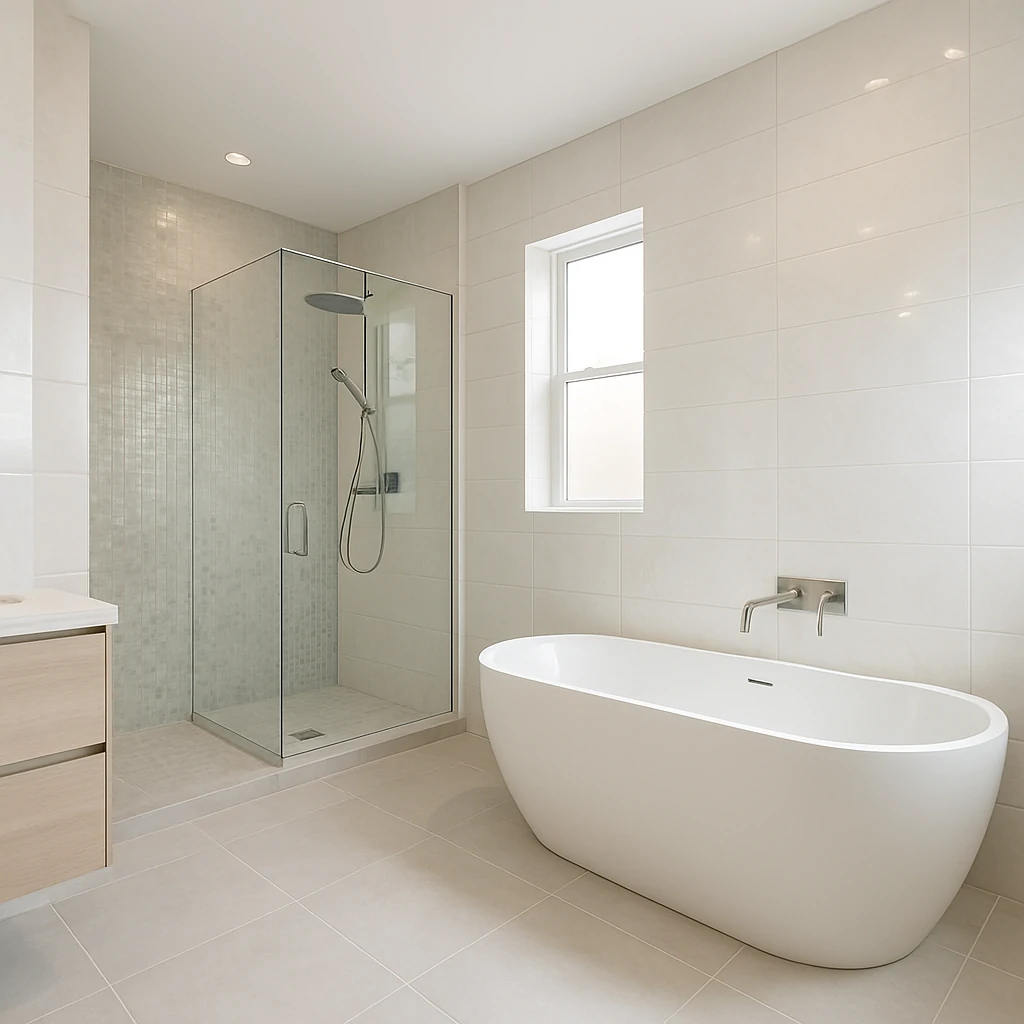
Have you ever walked into a bathroom and felt instantly relaxed, or maybe the opposite—unimpressed and uneasy? The difference often comes down to tiles. They are not just decoration; they define the mood, style, and safety of your bathroom. If you’re about to start a remodel, you probably already know how overwhelming the process feels. Should you go with ceramic, porcelain, stone, or glass? Do light tiles make a small bathroom bigger, or do dark shades create luxury? And what about the budget?
I know the stress of standing in a tile store surrounded by hundreds of choices that all look good. That confusion is exactly why I created this guide. In the next sections, I’ll explain every factor you need to consider—from style and color to durability and cost—so you can confidently choose the perfect tiles for your bathroom remodel.
For more expert insights, visit 👉 Akron Roofing Experts.
📑 Why Tiles Matter in a Bathroom Remodel
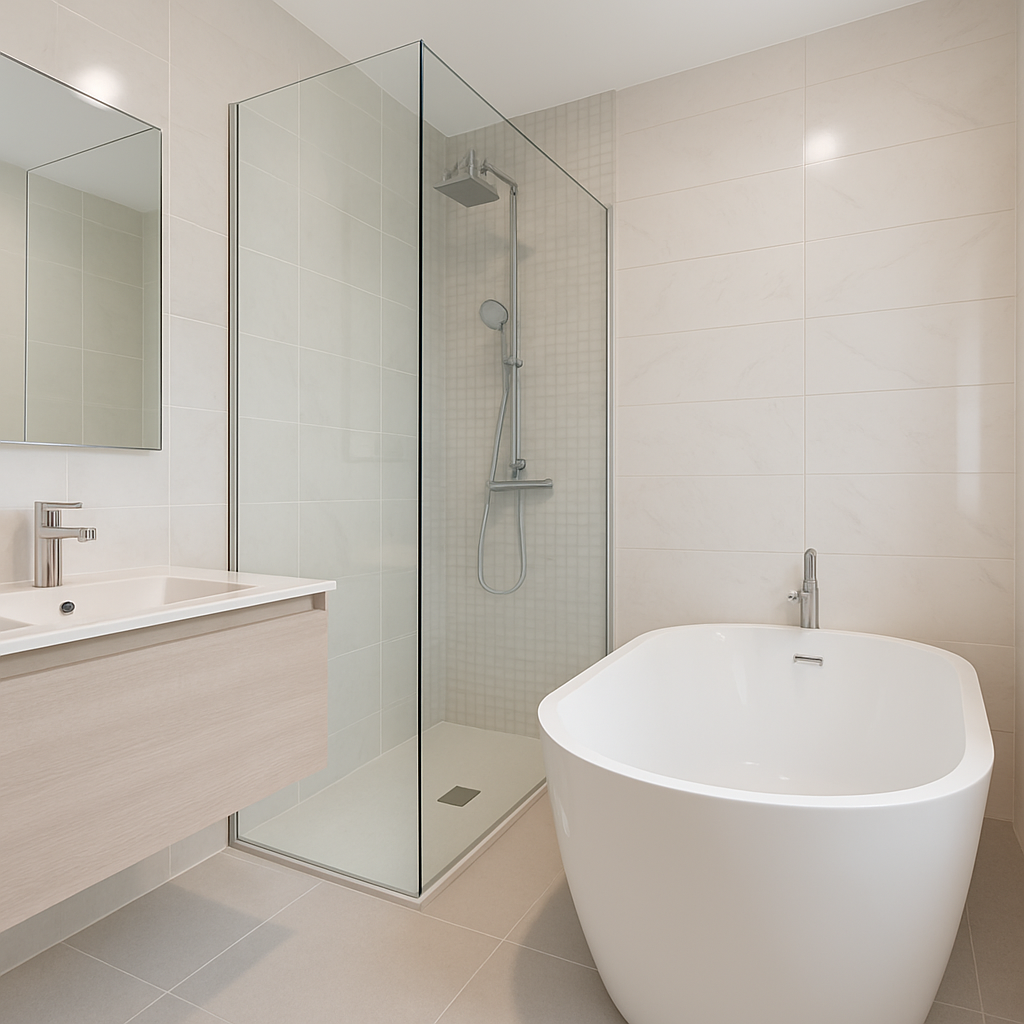
Your bathroom faces more moisture, humidity, and daily use than almost any other room. That means the tiles you pick must perform beyond just looking pretty. The wrong choice can cause mold, slips, or quick wear, while the right tiles will last for decades.
Why Tiles Are Essential:
- 💧 Water resistance keeps walls and floors safe from moisture damage.
- 👣 Slip resistance ensures family safety.
- 🧽 Easy cleaning maintains hygiene.
- ⭐ Durability saves money long-term.
📊 Fact: According to the National Kitchen & Bath Association, tiles cover up to 70% of surfaces in a standard bathroom remodel, making them one of the biggest design investments.
👤 Step 1: Define Your Bathroom Style
Before buying tiles, decide the overall style you want. Your style choice creates direction for color, material, and layout.
Common Styles to Consider:
- Modern: Large tiles, neutral colors like gray or black, clean lines.
- Traditional: Ceramic tiles, warm beige or cream tones, timeless marble.
- Rustic: Stone or wood-look tiles, textured finishes, earthy colors.
- Mediterranean: Bright mosaics, terracotta, patterned tiles, deep blues.
- Spa-inspired: White stone, soft tones, calming finishes that mimic a resort feel.
💡 Pro Tip: Create a mood board with Pinterest images or magazine clippings. Seeing your vision laid out helps you stay focused when choosing tiles.
🧱 Step 2: Understand Tile Materials
Tiles come in different materials, each with benefits and drawbacks. Knowing the difference saves money and prevents regret.
| Tile Type | Best For | Pros ✅ | Cons ❌ |
|---|---|---|---|
| Ceramic | Walls & light floors | Affordable, versatile, easy to clean | Less durable than porcelain |
| Porcelain | Floors & showers | Strong, water-resistant, mimics stone/wood | Heavier, higher cost |
| Glass | Backsplashes & accents | Reflects light, adds luxury | Slippery, scratches more easily |
| Natural Stone | Luxury bathrooms | Unique, timeless, elegant | Needs sealing, higher cost |
| Vinyl Tiles | Budget-friendly remodels | Affordable, water-resistant, DIY-friendly | Less durable, shorter lifespan |
📌 Fact: Porcelain tiles are about 30% stronger than ceramic, making them the preferred option for high-traffic bathrooms.
📏 Step 3: Choose the Right Tile Size
Tile size changes how your bathroom looks and feels.
- 🟦 Large Tiles (12×24+ inches): Make small bathrooms appear larger by reducing grout lines.
- ◼️ Medium Tiles (6×6 to 12×12 inches): Versatile for both walls and floors.
- 🔲 Small Tiles (2×2 inches, mosaics): Great for shower floors, niches, or accent patterns.
📊 Example: In a 5×8 bathroom, using large porcelain tiles on the floor makes the room look spacious, while mosaics in the shower add texture.
🎨 Step 4: Select the Perfect Color
Color sets the bathroom’s mood and influences light reflection.
- 🌞 Light Colors: Whites, creams, and light grays make rooms feel airy and bright. Perfect for smaller bathrooms.
- 🌑 Dark Colors: Navy, charcoal, or espresso add drama and sophistication. Work best in larger spaces.
- 🌿 Neutral Shades: Taupe, beige, and soft grays are timeless and universally appealing.
- 🌈 Bold Colors: Deep greens, reds, or patterned tiles bring character but should be used as accents.
📌 Fact: A Houzz survey found 65% of homeowners choose neutral tones to maintain long-term appeal and resale value.
✨ Step 5: Think About Texture and Finish
Texture adds both beauty and safety.
- 🌟 Glossy Tiles: Reflect light, make spaces look larger, easy to clean. Best for walls.
- Matte Tiles: Offer grip, reduce slips, hide smudges. Ideal for flooring.
- Textured Tiles: Mimic natural stone or wood. Excellent for rustic or spa-style bathrooms.
💡 Pro Tip: Use glossy on walls for brightness and matte on floors for safety.
💲 Step 6: Plan Your Budget Wisely
Tile costs vary widely. Setting a budget early prevents overspending.
Average Tile Costs per Sq. Ft.:
- Ceramic: $2–$5
- Porcelain: $3–$10
- Natural Stone: $7–$20
- Glass: $10–$30
Budget Example:
| Tile Type | Cost/Sq. Ft. | 50 Sq. Ft. Coverage | Total Cost |
|---|---|---|---|
| Ceramic | $3 | 50 sq. ft. | $150 |
| Porcelain | $6 | 50 sq. ft. | $300 |
| Natural Stone | $12 | 50 sq. ft. | $600 |
| Glass | $15 | 50 sq. ft. | $750 |
📌 Always order 10% extra tiles for cuts, mistakes, or future repairs.
👷 Step 7: Safety and Functionality
Safety should never be overlooked in a bathroom.
- 🚫 Avoid high-gloss tiles on shower floors.
- ✔️ Check slip resistance (COF rating ≥ 0.42 recommended for wet floors).
- 🔥 Add radiant heating under tiles for comfort in colder climates.
👨🔧 Step 8: Consult with Experts
Even if you’re handy with DIY, professionals bring expertise that saves time and prevents errors.
- Designers match tile colors and finishes for harmony.
- Contractors ensure proper waterproofing and installation.
- Experts guide you toward long-lasting choices that fit your budget.
👉 For trusted remodeling insights, visit Akron Roofing Experts.
⭐ Step 9: Maintenance and Longevity
Tiles can last decades if you maintain them properly.
- 🧽 Ceramic & Porcelain: Clean with mild solutions; reseal grout yearly.
- Natural Stone: Seal every 6–12 months to prevent stains.
- Glass Tiles: Use non-abrasive cleaners to avoid scratches.
📌 Fact: Well-maintained stone tiles can last 50 years or more in bathrooms.
📊 Quick Reference: Tile Selection Guide
| Factor | Best Choice | Why It Matters |
|---|---|---|
| Material | Porcelain | Strong & water-resistant |
| Color | Light neutrals | Brightens space & timeless look |
| Size | Large-format | Minimal grout, modern feel |
| Finish | Matte floors, glossy walls | Safety + elegance |
| Budget | Mix ceramic & porcelain | Affordability + durability |
📝 Conclusion
Choosing the perfect tiles for your bathroom remodel doesn’t have to be overwhelming. When you define your style, pick the right materials, plan your budget, and get professional input, you’ll create a bathroom that’s not only stylish but safe and functional for years to come.
If you’re ready to upgrade your bathroom with confidence, explore professional guidance at 👉 Akron Roofing Experts.