
- Introduction ❓
- Average Lifespan of Tile Roofs 🏗️
- Illinois Climate Impact 🌦️
- Benefits of Tile Roofs ⭐
- Signs Your Tile Roof Needs Repair 🔍
- Step-by-Step: Maintaining a Tile Roof 🧰
- Cost of Tile Roof Repairs in Illinois 💵
- Tile Roof Replacement Timeline ⏰
- Tile Roof Timeline 📑
- Pros and Cons of Tile Roofs in Illinois ⚖️
- Emergency Solutions for Tile Roof Leaks ⚡
- Long-Term Tips for Illinois Homeowners 🏡
- When to Call a Professional 📞
- FAQs
- Conclusion 🌟
Introduction ❓
Have you ever looked at your roof and wondered how long it will truly last in Illinois weather? I know that feeling well—harsh winters, heavy snow, strong winds, and humid summers all take a toll on your home. Replacing a roof is a big investment, and if you own a tile roof, you want to be sure it delivers the long lifespan you paid for. That’s why understanding how long a tile roof lasts in Illinois is crucial for planning, budgeting, and protecting your property. In this guide, I’ll break down tile roof lifespans, the impact of Illinois weather, maintenance tips, and when it’s time to call a professional. For expert help, you can always visit Akron Roofing Experts.
Average Lifespan of Tile Roofs 🏗️
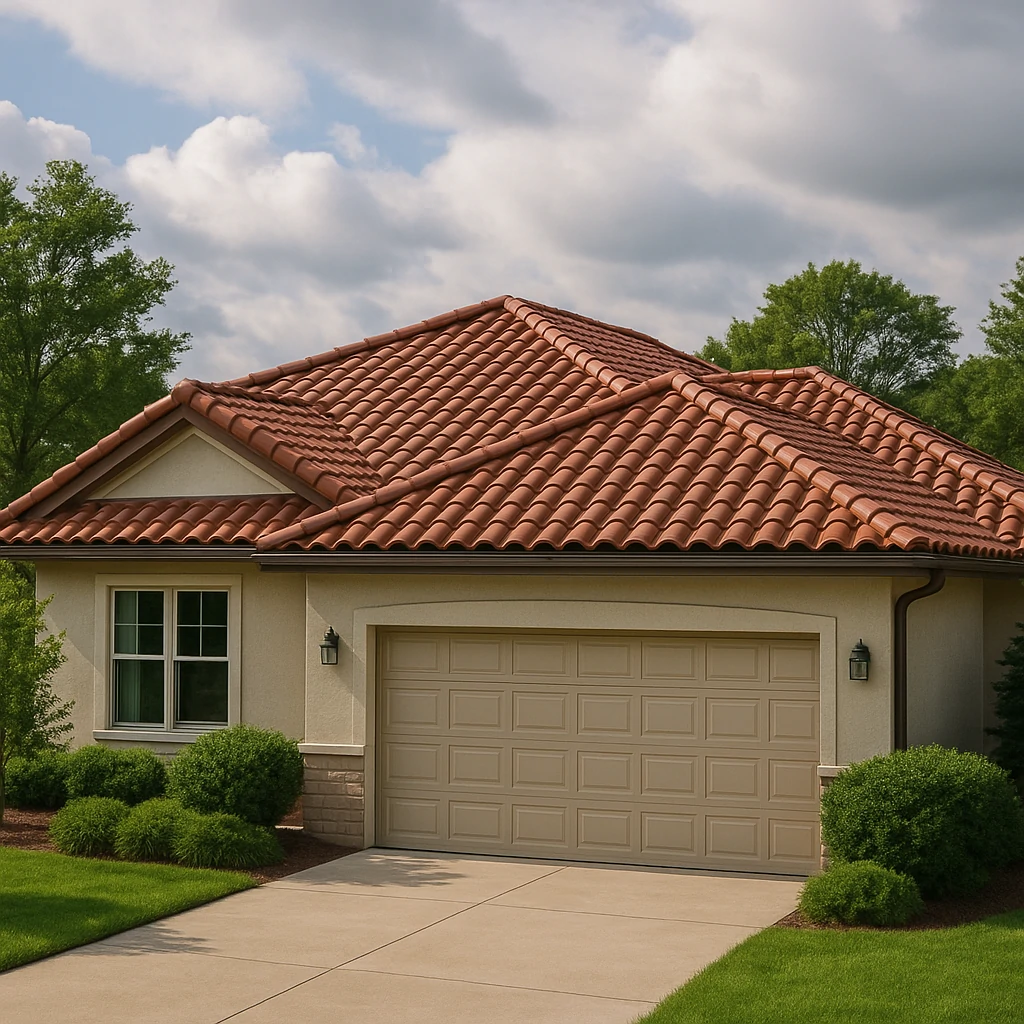
Tile roofs are known for their durability. Depending on the material, you can expect:
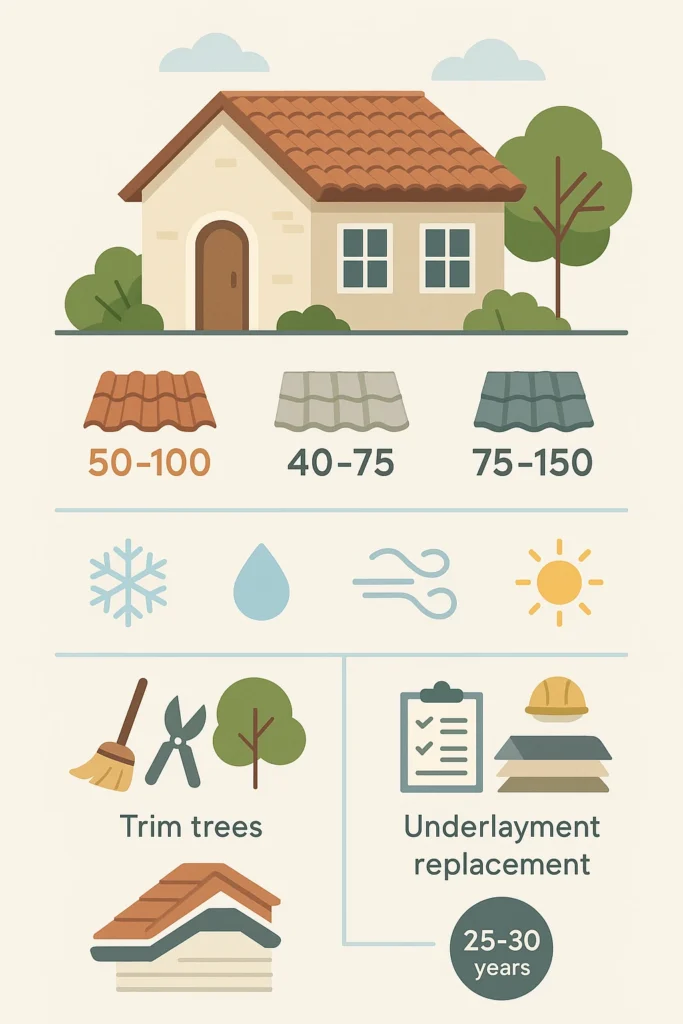
- Clay tile roofs: 50–100 years
- Concrete tile roofs: 40–75 years
- Slate tile roofs: 75–150 years
These numbers are averages under normal conditions. In Illinois, factors like snow load, freeze-thaw cycles, and storms may shorten or extend the actual lifespan.
Tile Roof Lifespan by Material 📑
| Material | Average Lifespan | Notes |
|---|---|---|
| Clay Tile | 50–100 years | Resistant to fire and rot |
| Concrete Tile | 40–75 years | More affordable but heavier |
| Slate Tile | 75–150 years | Premium option, very durable |
Illinois Climate Impact 🌦️
The Midwest climate directly influences roof performance. In Illinois, you deal with:
- Snow and ice: Freeze-thaw cycles can crack tiles
- Strong winds: Can shift or loosen tiles
- Hail storms: Break fragile tiles
- Summer heat: Expands roofing materials
- Humidity: Encourages mold and algae
According to the Illinois State Water Survey, the state averages 38 inches of rain and 30 inches of snow annually, both of which stress roofing systems.
Benefits of Tile Roofs ⭐
Even in tough Illinois weather, tile roofs have advantages:
- Durability: Outlasts most roofing materials
- Fire resistance: Clay and concrete tiles are Class A fire-rated
- Energy efficiency: Reflect heat, keeping homes cooler in summer
- Low maintenance: Tiles resist rot, insects, and decay
- Aesthetic appeal: Adds value with timeless style
Signs Your Tile Roof Needs Repair 🔍
Even long-lasting roofs need attention. Look for:
- Cracked or missing tiles
- Water stains in the attic
- Mold or moss growth
- Sagging rooflines
- Loose flashing around chimneys or vents
Step-by-Step: Maintaining a Tile Roof 🧰
Regular maintenance extends roof life dramatically.
- Inspect Twice a Year 📅
- Check in spring and fall
- Look for cracks or displaced tiles
- Clean Gutters 🧹
- Keep water draining properly
- Prevent ice dams in winter
- Trim Overhanging Trees 🌳
- Avoid falling branches
- Reduce moss and algae growth
- Replace Broken Tiles Quickly 🔧
- Prevent leaks before they spread
- Use matching material for seamless repair
- Professional Checkups 👷
- Have roofers inspect flashing and underlayment
DIY vs Professional Maintenance 📑
| Task | DIY Possible? | Best Choice |
|---|---|---|
| Cleaning gutters | ✅ | Homeowner |
| Replacing broken tiles | ❌ | Professional |
| Checking underlayment | ❌ | Professional |
| Visual inspections | ✅ | Homeowner |
Cost of Tile Roof Repairs in Illinois 💵
According to HomeAdvisor (2024 data):
- Small repairs (1–2 tiles): $200–$500
- Moderate repairs (flashing, leaks): $500–$1,500
- Large repairs or partial replacement: $2,000–$7,500
While repairs can be expensive, they are far cheaper than full replacement.
Tile Roof Replacement Timeline ⏰
Even with good care, every roof eventually reaches the end of its life. In Illinois:
- Clay tiles often last 60+ years with proper maintenance
- Concrete tiles may need replacing after 40–50 years
- Slate tiles often outlive the homeowner—up to 150 years
The underlayment beneath tiles usually needs replacement sooner, about every 25–30 years, even if tiles themselves are intact.
Tile Roof Timeline 📑
| Roof Part | Replacement Interval |
|---|---|
| Tiles (clay) | 50–100 years |
| Tiles (concrete) | 40–75 years |
| Tiles (slate) | 75–150 years |
| Underlayment | 25–30 years |
Pros and Cons of Tile Roofs in Illinois ⚖️
Pros ✅
- Extremely long lifespan
- Great for hot summers and heavy rains
- Fire-resistant
- Low maintenance compared to wood or asphalt
Cons ❌
- Heavy weight requires strong roof structure
- Higher upfront cost than asphalt shingles
- Risk of cracking from freeze-thaw cycles
- Repairs require skilled roofers
Emergency Solutions for Tile Roof Leaks ⚡
If your tile roof starts leaking during a storm:
- Place a tarp over the damaged section
- Use buckets indoors to catch water
- Apply roofing sealant temporarily
- Call a professional roofer once weather clears
Long-Term Tips for Illinois Homeowners 🏡
- Schedule inspections after hail or snowstorms
- Ensure attic ventilation reduces moisture buildup
- Avoid walking on tiles—hire pros for maintenance
- Keep warranty documents for material and labor
When to Call a Professional 📞
Hire a roofing expert if:
- You notice widespread tile cracks
- Multiple leaks appear
- The underlayment shows water damage
- Roof sagging or structural issues appear
FAQs
For trusted service, visit Akron Roofing Experts.
Conclusion 🌟
Tile roofs are built to last, and in Illinois, they can serve you for 40 to over 100 years depending on the material and maintenance. While the state’s snow, storms, and heat cycles test every roof, tile remains one of the strongest, most attractive, and most valuable investments for homeowners. Regular inspections, quick repairs, and professional support ensure your roof protects your family for decades.