
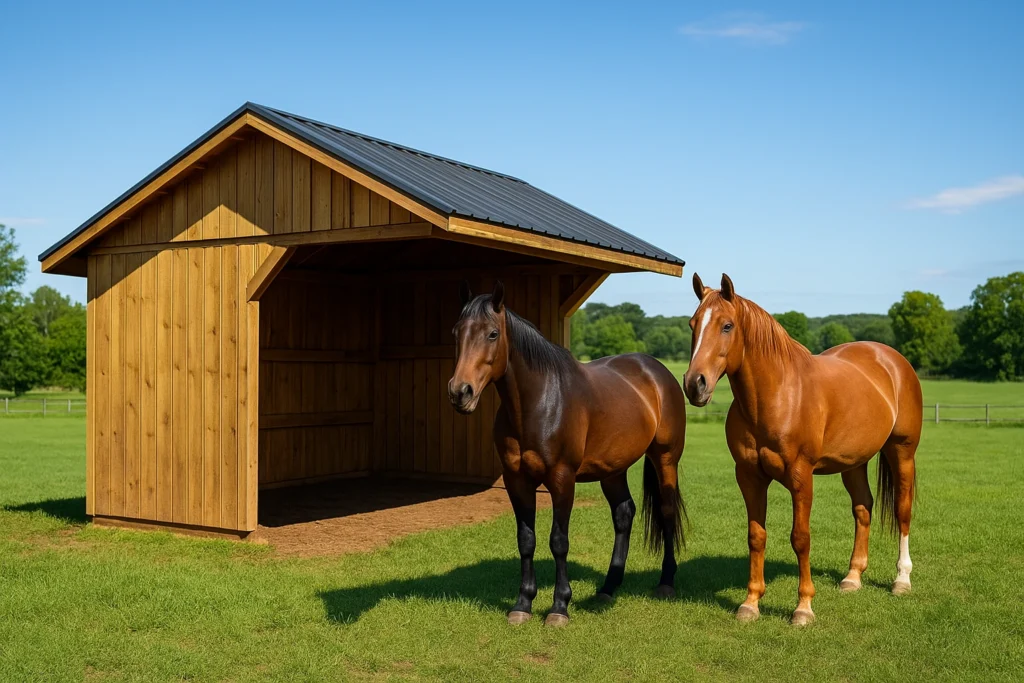
- ❓ Introduction: Do Horses Really Need Shelters?
- 📑 What Is a Horse Shelter?
- ⭐ Why Horse Shelters Are Important
- 📊Common Weather Challenges vs Shelter Benefits
- 🏠 Types of Horse Shelters
- 📊Comparison of Shelter Types
- 🧱 Materials for Building Horse Shelters
- 📊Pros and Cons of Common Materials
- 🛠️ Key Features of an Ideal Horse Shelter
- 💲 Cost of Building Horse Shelters
- 📑 Shelter Placement and Location
- 🧹 Maintenance of Horse Shelters
- 🌎 Environmental Impact of Horse Shelters
- 📊Eco-Friendly Practices for Horse Shelters
- 📚 Regulations and Safety Standards
- 🧾 Conclusion
- FAQs❓🐴
❓ Introduction: Do Horses Really Need Shelters?
Have you ever wondered why some horses thrive outdoors while others struggle with harsh weather? I’ve seen many owners ask if their horses truly need a shelter or if open fields are enough. The truth is simple—horses are strong animals, but they are not invincible. Rain, snow, wind, or scorching sun can affect their health and comfort. That’s where horse shelters come in.
In this article, we’ll explore everything you need to know about horse shelters—types, materials, design tips, maintenance, and costs. By the end, you’ll have a clear, fact-based guide to keeping your horse safe, healthy, and happy. For more professional guidance, you can also check out 👉 Akron Roofing Experts.
📑 What Is a Horse Shelter?
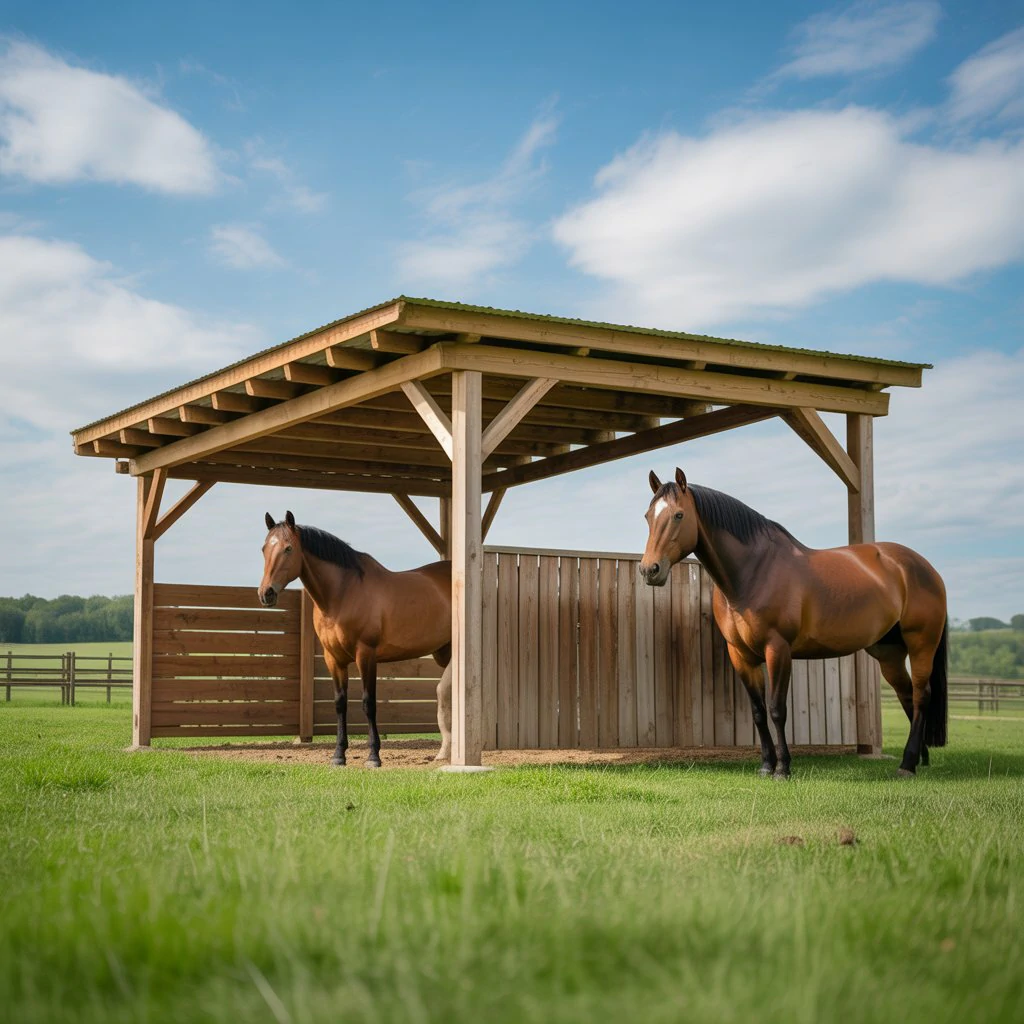
A horse shelter is a protective structure designed to shield horses from extreme weather, pests, and environmental hazards. While horses can tolerate a wide range of temperatures, studies show that continuous exposure to freezing winds or wet conditions weakens their immune systems. Proper shelters reduce stress, prevent health issues, and promote overall well-being.
⭐ Why Horse Shelters Are Important
Horse shelters are not just a luxury; they are a necessity in many climates.
- 🧑⚕️ Health Protection – Prevents respiratory issues, rain rot, and frostbite
- 🌦️ Weather Shielding – Provides shade in summer and warmth in winter
- 🐴 Behavior Management – Reduces stress and improves herd dynamics
- 🐞 Insect Control – Keeps flies, mosquitoes, and ticks at bay
- 🏠 Comfort – Gives horses a safe resting and feeding area
📊Common Weather Challenges vs Shelter Benefits
| Weather Condition | Risk to Horses | Shelter Benefit |
|---|---|---|
| Heavy Rain 🌧️ | Rain rot, hoof infections | Dry, clean resting space |
| Snow & Cold ❄️ | Frostbite, hypothermia | Insulation and wind block |
| High Heat ☀️ | Heat stress, dehydration | Shaded cooling area |
| Strong Winds 💨 | Stress, chills | Protection and stability |
| Insects 🐜 | Skin irritation, diseases | Reduced insect exposure |
🏠 Types of Horse Shelters
1. 🏕️ Run-in Sheds
- Open-front design
- Ideal for pastures and large spaces
- Provides quick access to shelter during storms
2. Barns
- Fully enclosed with stalls
- Great for harsh winters and medical care
- Offers controlled feeding and training areas
3. 🏚️ Lean-tos
- Simple, cost-effective option
- Attached to existing buildings
- Best for mild climates
4. 🚚 Portable Shelters
- Movable structures
- Flexible for changing pasture needs
- Suitable for temporary horse care
📊Comparison of Shelter Types
| Shelter Type | Best Use | Cost Range | Pros | Cons |
|---|---|---|---|---|
| Run-in Shed | Pastures | $1,500–$5,000 | Easy access, natural light | Less insulation |
| Barn | Cold climates | $15,000+ | Secure, versatile | Expensive |
| Lean-to | Mild weather | $800–$2,000 | Affordable, simple | Limited space |
| Portable Shelter | Rotational grazing | $1,000–$4,000 | Flexible, movable | May lack durability |
🧱 Materials for Building Horse Shelters
- 🪵 Wood – Classic, strong, but needs maintenance
- 🪨 Concrete Blocks – Extremely durable, great insulation
- 🪙 Metal – Long-lasting, but may overheat in summer
- 🧩 Fabric Covers – Lightweight, cost-effective, portable
📊Pros and Cons of Common Materials
| Material | Advantages | Disadvantages |
|---|---|---|
| Wood | Natural look, good insulation | Requires maintenance, may rot |
| Concrete | Durable, weather-resistant | High cost, less flexible |
| Metal | Strong, pest-resistant | Can get hot, noisy in rain |
| Fabric | Affordable, portable | Less durable, limited lifespan |
🛠️ Key Features of an Ideal Horse Shelter
- 📏 Proper Size – At least 12×12 feet per horse
- 🌬️ Ventilation – Fresh air circulation to prevent respiratory issues
- 🌞 Lighting – Natural daylight preferred, supplemented by safe electric lighting
- 🧹 Flooring – Non-slip surfaces such as gravel, rubber mats, or compacted clay
- 💧 Drainage System – Prevents water accumulation and mud
- 🐎 Safety Design – Smooth walls, no sharp edges, and strong doors
💲 Cost of Building Horse Shelters
- Small run-in shed: $1,500–$5,000
- Medium lean-to: $800–$2,000
- Large barn with stalls: $15,000–$50,000+
- Portable shelters: $1,000–$4,000
Pro Tip: Investing more upfront saves on long-term repairs and vet bills.
📑 Shelter Placement and Location
- 🌳 Natural Windbreaks – Place near trees or hills for added protection
- 🚰 Water Access – Ensure closeness to fresh water
- 🌞 Sun Exposure – South-facing openings maximize warmth in cold months
- 🛣️ Accessibility – Easy path for vehicles and feed delivery
🧹 Maintenance of Horse Shelters
- 🧼 Daily Cleaning – Remove manure and wet bedding
- Monthly Inspections – Check for loose nails, damaged boards, or leaks
- 🧯 Pest Control – Use safe repellents for rodents and insects
- 🧰 Seasonal Checks – Reinforce roofing before winter storms
🌎 Environmental Impact of Horse Shelters
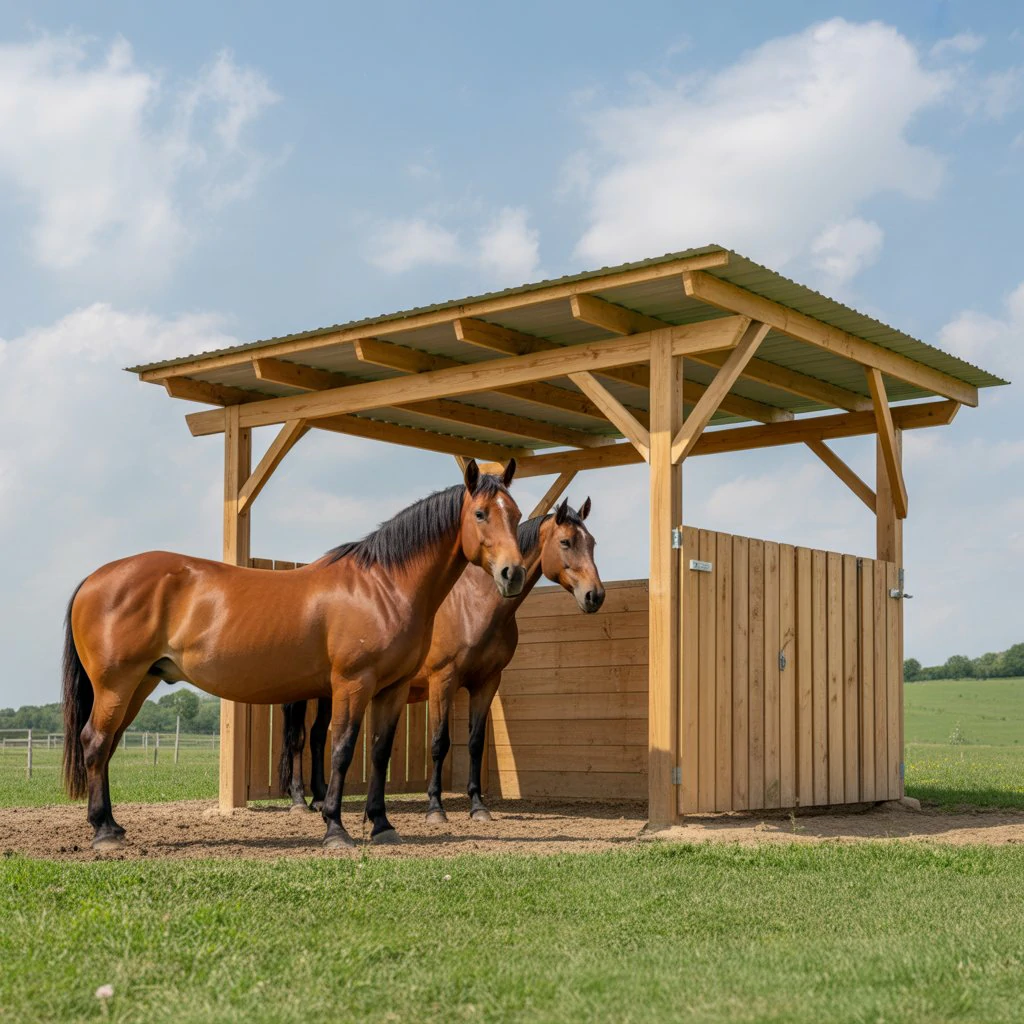
- ♻️ Eco-friendly Materials reduce carbon footprint
- 💧 Proper Drainage prevents water pollution
- 🌱 Pasture Rotation keeps grazing areas healthy
📊Eco-Friendly Practices for Horse Shelters
| Practice | Benefit |
|---|---|
| Solar Panels ☀️ | Reduces electricity costs |
| Rainwater Harvesting 💧 | Provides water for cleaning |
| Recycled Wood ♻️ | Minimizes waste |
| Green Roofing 🌿 | Improves insulation and biodiversity |
📚 Regulations and Safety Standards
- 📜 Zoning Laws – Check local property restrictions
- 🛡️ Fire Safety – Use fire-resistant materials when possible
- 🧑⚕️ Veterinary Recommendations – Follow design standards for animal welfare
🧾 Conclusion
Horse shelters are more than just a protective structure—they are an investment in your horse’s health, comfort, and safety. From run-in sheds to large barns, every choice depends on your climate, budget, and care goals. A well-planned shelter improves horse welfare, reduces medical costs, and gives owners peace of mind.
FAQs❓🐴
👉 For professional advice and reliable roofing solutions that extend to agricultural needs, visit Akron Roofing Experts.