
- Introduction ❓
- What is Hardie Board Siding? 📑
- What is Wood Siding? 🌲
- Hardie Board vs Wood Siding: Side-by-Side Comparison 📊
- Durability and Performance 🛡️
- Fire Resistance: Safety Matters 🔥
- Cost of Hardie Board vs Wood Siding 💲
- Aesthetic Appeal: Design and Style 🎨
- Environmental Considerations 🌍
- Maintenance Requirements 🛠️
- When to Choose Hardie Board vs Wood Siding 👷
- Conclusion 🌟
Introduction ❓
Have you ever looked at your home’s exterior and thought: “Should I choose Hardie board or stick with traditional wood siding?” This choice isn’t just about style—it affects durability, safety, costs, and how much maintenance you’ll face in the future. Many homeowners struggle with this decision, torn between the natural charm of wood and the long-lasting protection of Hardie board. I know how overwhelming it can feel, which is why this guide explains the differences clearly, using facts and real comparisons, so you can make the best decision for your home.
What is Hardie Board Siding? 📑
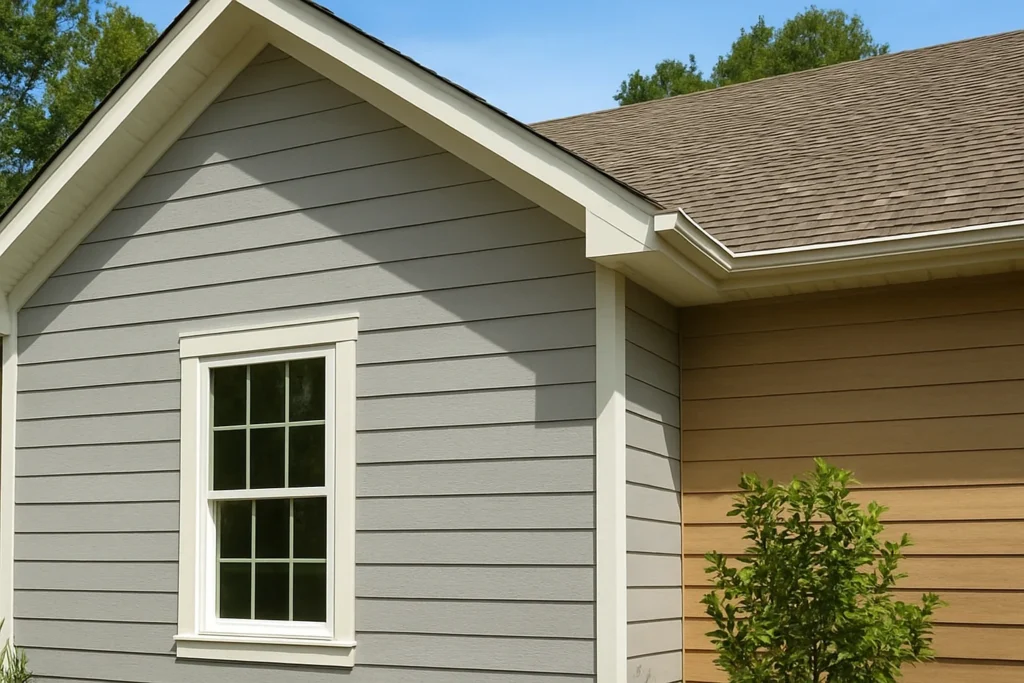
Hardie board, officially known as fiber cement siding, was created by James Hardie Industries. It is made from a mixture of cement, sand, and cellulose fibers, giving it both toughness and flexibility. Homeowners choose it because it looks like wood but performs far better in resisting fire, water, and insects. It has been installed in millions of homes across North America and is trusted for its longevity.
Key Facts About Hardie Board ⭐
- Invented in the 1980s by James Hardie
- Resistant to rot, fire, and pests
- Available in plank (horizontal) and panel (vertical) styles
- Average lifespan: 40–50 years with care
- Can mimic natural wood grain textures
What is Wood Siding? 🌲
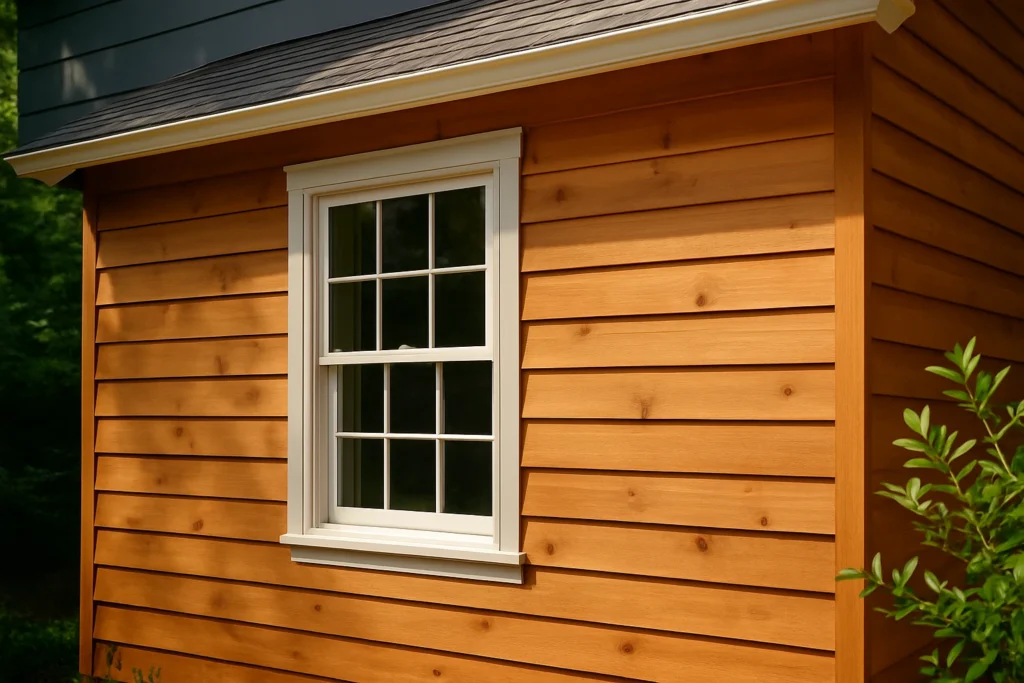
Wood siding is one of the most traditional home exteriors, valued for its natural beauty and warmth. Popular choices include cedar, pine, redwood, and engineered wood. It can be painted or stained in endless colors, giving homeowners design freedom. However, wood requires more maintenance to protect it from rot, termites, and harsh weather.
Popular Types of Wood Siding 📑
- Cedar Siding – Naturally insect-resistant and durable
- Redwood Siding – Strong, long-lasting, but costly
- Pine Siding – Affordable but prone to damage
- Engineered Wood – Wood fibers mixed with resins for better strength
Hardie Board vs Wood Siding: Side-by-Side Comparison 📊
| Feature | Hardie Board (Fiber Cement) | Wood Siding |
|---|---|---|
| Durability | 40–50 years, resists rot, fire, pests | 20–30 years, vulnerable to weather and insects |
| Fire Resistance | Non-combustible | Flammable |
| Maintenance | Repainting every 10–15 years | Staining/painting every 5–7 years |
| Appearance | Mimics wood with many finishes | Authentic natural look |
| Cost (Initial) | $10–$13 per sq. ft. installed | $6–$9 per sq. ft. installed |
| Long-Term Value | Lower maintenance | Higher maintenance |
| Eco-Friendliness | Long lifespan reduces waste | Renewable but short-lived |
| Weight | Heavy, pro install needed | Light, easier to handle |
Durability and Performance 🛡️
Durability is the biggest difference between the two.
Hardie board siding lasts around 40–50 years with minimal issues. It resists cracking, warping, and fading even in tough climates like coastal regions or snowy states.
Wood siding usually lasts 20–30 years but requires constant protection from moisture. If neglected, it can rot, swell, or attract termites.
📑 Key Point: Hardie board nearly doubles the lifespan of most wood siding.
Fire Resistance: Safety Matters 🔥
Hardie board siding is non-combustible. It will not ignite when exposed to direct flames, which is why building codes in wildfire-prone areas often recommend it.
Wood siding is flammable and increases fire risks unless treated with fire-retardant coatings, which wear off over time.
📑 Key Point: Hardie board is much safer for families in fire-prone regions.
Cost of Hardie Board vs Wood Siding 💲
Initial Installation Costs 📑
- Hardie Board: $10–$13 per square foot installed
- Wood Siding: $6–$9 per square foot installed
Long-Term Maintenance Costs 📑
- Hardie Board: Minimal repainting every 10–15 years
- Wood Siding: Frequent repainting or staining every 5–7 years, plus repairs
Cost Example Over 30 Years (1,500 sq. ft. Home) 📊
| Material | Initial Cost | Maintenance Cost | Total (30 Years) |
|---|---|---|---|
| Hardie Board | $18,000 | $5,000 | $23,000 |
| Wood Siding | $13,000 | $15,000 | $28,000 |
📑 Key Point: Hardie board costs more upfront, but it saves thousands over decades.
Aesthetic Appeal: Design and Style 🎨
Hardie board offers a wide range of textures, including smooth, wood grain, and stucco-like finishes. It comes pre-painted in long-lasting colors or primed for custom paint.
Wood siding delivers unmatched natural charm. Its authentic grain adds warmth and character. However, it needs regular staining or painting to stay fresh.
📑 Key Point: Wood wins in raw beauty, but Hardie board provides low-maintenance design versatility.
Environmental Considerations 🌍
Both siding materials have eco-friendly aspects:
Hardie board uses sustainable ingredients and lasts decades, meaning fewer replacements and less waste.
Wood siding is renewable and biodegradable, especially if harvested from managed forests.
📑 Key Point: Both are eco-friendly, but Hardie board’s long lifespan makes it greener in the long term.
Maintenance Requirements 🛠️
Hardie Board Maintenance
- Annual rinse with a garden hose
- Repainting every 10–15 years
- Caulking checks every few years
Wood Siding Maintenance
- Cleaning twice yearly
- Repainting or staining every 5–7 years
- Regular pest and rot inspections
- Repairs after severe weather
📑 Key Point: Hardie board demands less time, effort, and cost.
When to Choose Hardie Board vs Wood Siding 👷
Choose Hardie Board If…
⭐ You live in wildfire-prone or humid areas
⭐ You want a long-term investment with low upkeep
⭐ You like the wood look but want durability
Choose Wood Siding If…
⭐ You love authentic, natural beauty
⭐ You don’t mind routine upkeep
⭐ You live in a mild, dry climate
Conclusion 🌟
Both siding materials bring unique benefits. Hardie board siding is the stronger, safer, and more cost-effective option for most homeowners. It resists fire, pests, and weather while keeping maintenance low. Wood siding shines with its authentic natural beauty, but it requires more upkeep and has a shorter lifespan.
If you want long-term protection with a wood-like appearance, Hardie board is the better choice. If you love the real character of wood and are willing to care for it, wood siding may still be the option for you.
👉 For expert siding advice and professional installation, visit Akron Roofing Experts.