
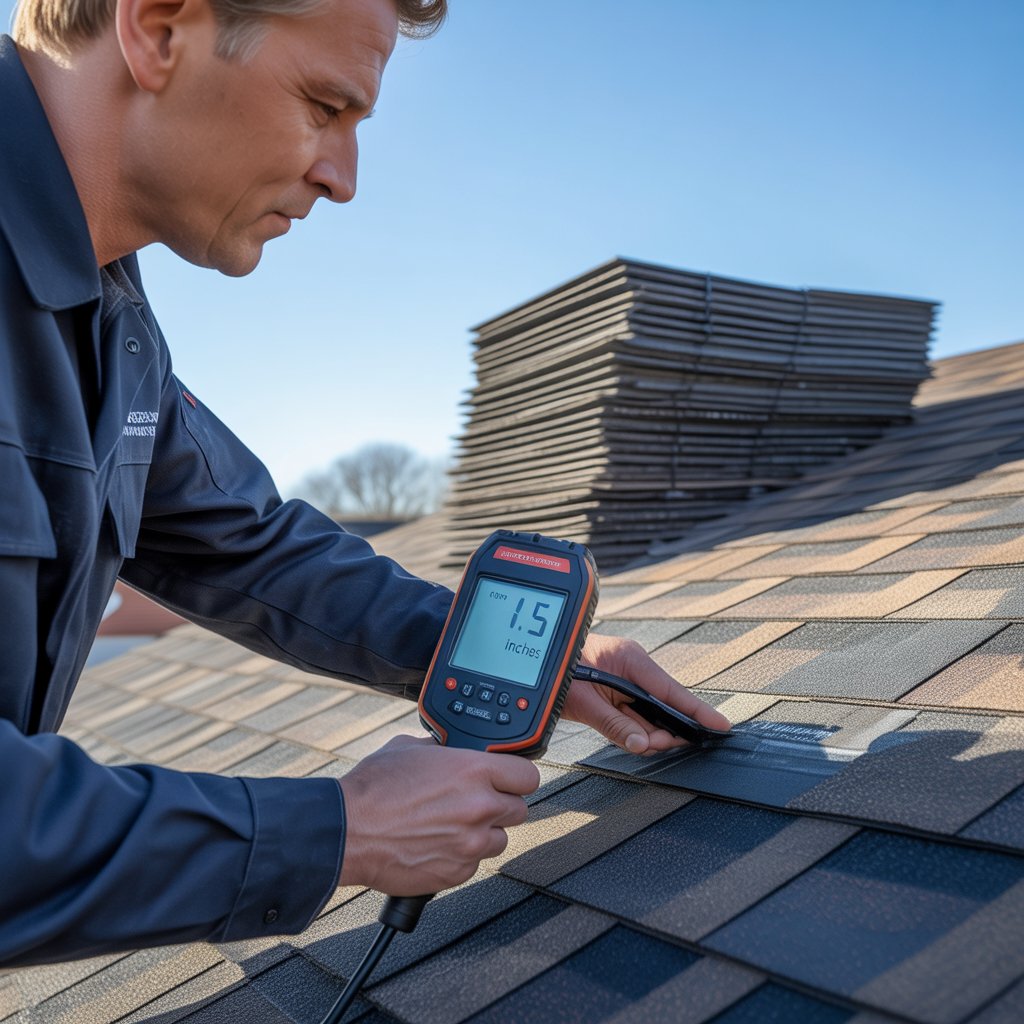
Have you ever wondered if your roof can truly withstand heavy rain, snow, or strong winds? 🤔 I know I did when I first started looking into home improvement projects because a roof’s strength is not just about shingles or tiles; it all starts with roof sheathing.
Roof sheathing, or roof decking, is the flat layer installed on top of your rafters or trusses, forming the structural base for your roofing materials.
Without it, the roof could sag, leak, or fail under pressure. This guide will explain roof sheathing thickness, signs of damage, replacement costs, and tips to maintain a strong, durable roof. For more details, check Akron Roofing Experts 🏡.
Quick Overview:
Asphalt Shingles 🟫
| Roofing Type | Sheathing Thickness | Support Requirements | Best For Seasons | Notes |
|---|---|---|---|---|
| Asphalt Shingles | 7/16″ OSB or plywood (standard), 1/2″ in high wind areas | Standard rafter spacing (16″–24″ o.c.) | All-year, moderate climates | Most common in residential homes, easy installation, moderate cost |
| Architectural Shingles | 1/2″ plywood | Standard rafters, add blocking for long spans | Winter and Summer | Slightly heavier than standard, better wind resistance |
| Impact-Resistant Shingles | 5/8″ plywood | Extra support for high wind or hail-prone areas | Winter & Summer, hail zones | Provides durability against storms, longer lifespan |
Metal Roofing 🔩:
| Roofing Type | Sheathing Thickness | Support Requirements | Best For Seasons | Notes |
|---|---|---|---|---|
| Standing Seam Metal | 1/2″ plywood or OSB | Standard rafters, may require furring strips for ventilation | Summer, Winter | Lightweight, long-lasting, reflective for heat in summer |
| Corrugated Metal | 5/8″ plywood for wide spans | Close rafter spacing recommended | All-year | Good for rain and snow shedding, durable in storms |
| Metal Shingles | 1/2″ plywood | Standard spacing, check manufacturer specs | Summer, Winter | Offers traditional look with metal durability |
Clay / Concrete Tiles 🟧:
| Roofing Type | Sheathing Thickness | Support Requirements | Best For Seasons | Notes |
|---|---|---|---|---|
| Clay Tiles | 5/8″ plywood or thicker | Strong rafters, close spacing, additional reinforcement | Summer, mild winter | Very heavy, excellent durability, fire-resistant |
| Concrete Tiles | 5/8″ to 3/4″ plywood | Strong rafters, possible steel reinforcement for long spans | Summer, mild winter | High weight, durable, adds thermal mass to regulate heat |
Wood Shingles / Shakes 🌲:
| Roofing Type | Sheathing Thickness | Support Requirements | Best For Seasons | Notes |
|---|---|---|---|---|
| Wood Shingles | 1/2″ plywood | Standard rafter spacing | Summer, dry winter | Natural look, requires maintenance, can warp with moisture |
| Wood Shakes | 5/8″ plywood | Close spacing, additional blocking | Summer, mild winter | Thick shakes need stronger support, aesthetic appeal, not fireproof unless treated |
Slate Roofing 🧱:
| Roofing Type | Sheathing Thickness | Support Requirements | Best For Seasons | Notes |
|---|---|---|---|---|
| Natural Slate | 5/8″ to 3/4″ plywood | Strong rafters, close spacing, extra reinforcement | All-year | Very heavy, long-lasting, fireproof, requires professional installation |
| Synthetic Slate | 1/2″ plywood | Standard rafters | All-year | Lighter than natural, easier installation, lower cost |
Synthetic / Rubber Roofing 🟪:
| Roofing Type | Sheathing Thickness | Support Requirements | Best For Seasons | Notes |
|---|---|---|---|---|
| Synthetic Slate / Composite | 1/2″ plywood | Standard rafter spacing | Summer, Winter | Lightweight, low maintenance, mimics slate or shakes |
| Rubber Membrane / EPDM | 7/16″ OSB | Minimal support required, flat roof | Summer, Winter | Used for flat or low-slope roofs, waterproof, easy to install |
What Is Roof Sheathing? 📐
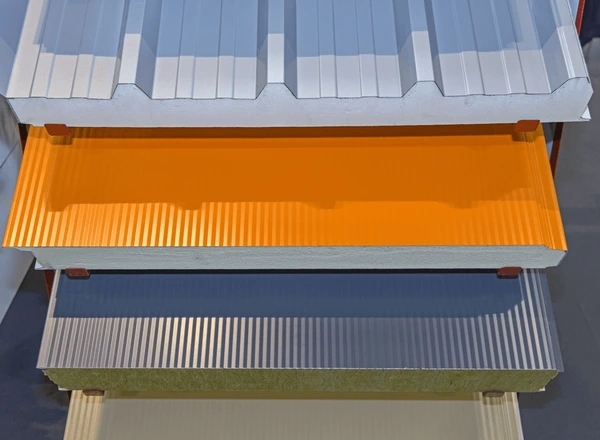
Roof sheathing is the layer of material that sits over your roof frame and provides support for shingles, tiles, or metal roofing. It acts as a protective barrier and adds structural stability.
The most common materials include plywood, which is strong and durable; oriented strand board (OSB), which is engineered for cost-effective strength; and sometimes wood planks, often used in older or historic homes.
Proper installation and the right thickness are critical to prevent sagging, leaks, and damage during storms.
Why Roof Sheathing Matters ⭐
Roof sheathing has several essential functions. Structural integrity ensures your roof can handle snow, rain, and wind by distributing weight evenly across rafters or trusses.
Moisture protection prevents water from seeping into the underlying structure, protecting insulation, framing, and ceilings from damage.
Insulation support allows insulation to stay in place, which improves energy efficiency and keeps your home comfortable year-round. Without proper sheathing, even the highest-quality roofing materials can fail.
Common Roof Sheathing Thickness Levels 📏
The thickness of roof sheathing varies depending on roof design, local climate, and building codes.
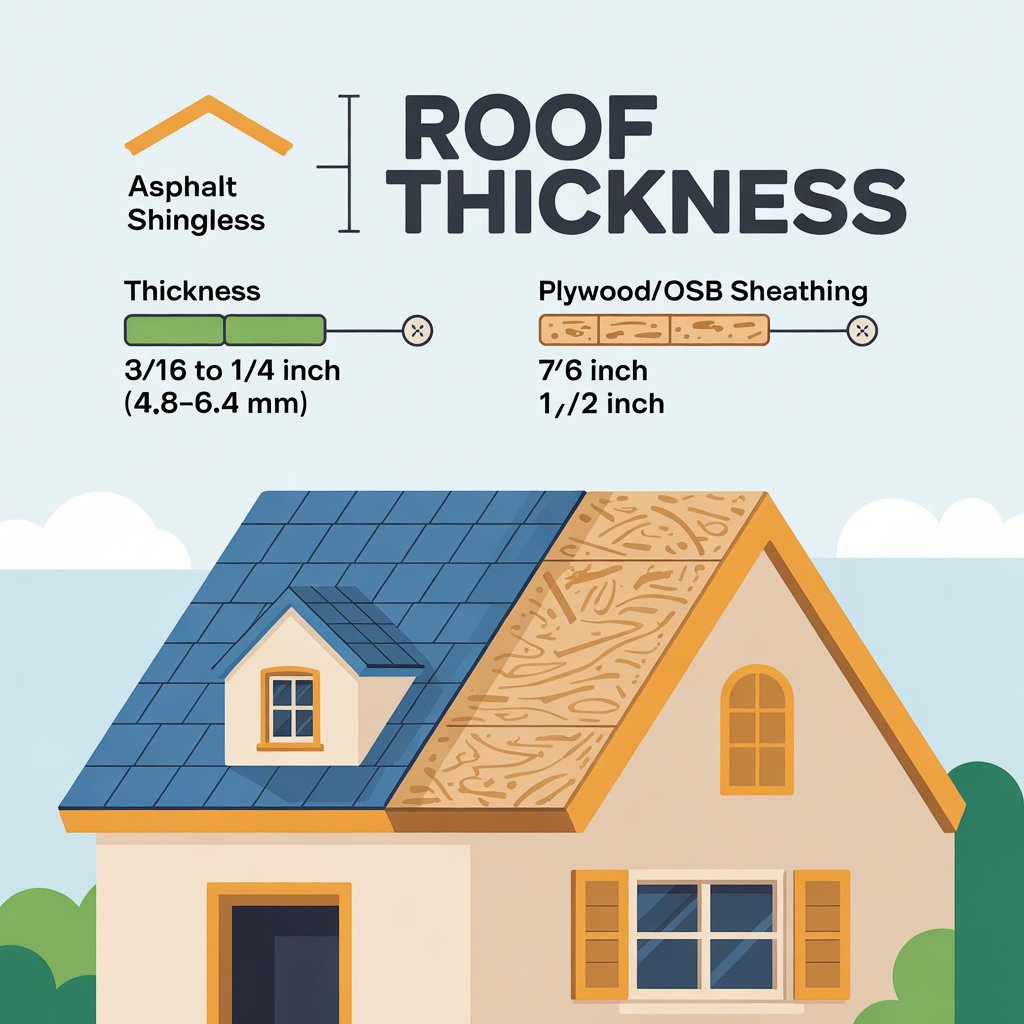
Common thickness levels include: 7/16 inch, standard for OSB in most residential projects, providing adequate strength; 1/2 inch, preferred in areas with heavy snow or wind, offering extra stiffness; and 5/8 inch, used for long roof spans or extreme weather conditions to ensure maximum load-bearing capacity.
Choosing the right thickness is crucial to avoid sagging, deflection, or structural failure.
Signs Your Roof Sheathing Needs Replacement ⚠️
Knowing when to replace your roof sheathing can prevent costly repairs. Look for sagging or uneven roof surfaces, which indicate weakened or rotted decking.
Water damage, such as ceiling stains or leaks, shows moisture has penetrated the roof layers. Mold or mildew growth under the sheathing signals trapped moisture, compromising structural integrity.
Finally, warped or delaminated panels are a clear sign the sheathing has deteriorated and may need full replacement. Acting early prevents further roof damage.
Cost of Replacing Roof Sheathing 💰
The cost to replace roof sheathing varies by material, roof size, and damage extent. On average, homeowners can expect $1.50 to $4.50 per square foot, including labor, materials, and disposal of old decking.
Plywood is generally more expensive than OSB but offers better durability, while wood planks may cost more depending on availability.
Costs also increase if structural repairs or additional support are needed. Planning a replacement early can save money compared to fixing water damage or structural issues later.
How to Choose the Right Roofing Contractor 🛠️
Start by researching reputable contractors, reading reviews, and asking for personal recommendations. Verify that the contractor is licensed, insured, and bonded, and look for professional certifications.
Obtain multiple quotes, comparing costs, materials, and warranties. Ask for references to check previous work quality and reliability. Review the contract carefully to understand timelines, payment schedules, and warranty coverage.
Although Akron Roofing Experts provide detailed informational resources, using a qualified contractor is essential when replacing roof sheathing to ensure safety and compliance with local building codes.
Tips for Maintaining Roof Sheathing 🏡
Regular inspections can extend the life of your roof sheathing. Keep gutters clean to avoid water backup, trim overhanging tree branches to prevent damage, and check the attic for signs of leaks or mold.
Avoid walking on the roof unnecessarily, and ensure proper ventilation to reduce moisture accumulation. Maintaining your roof proactively ensures your sheathing stays strong, supports insulation, and protects your home.
Conclusion ✅
Roof sheathing is the backbone of any roofing system. Understanding its importance, proper thickness, signs of deterioration, and replacement costs can save homeowners from expensive repairs and structural failures.
By choosing the right materials, monitoring for damage, and consulting reliable resources like Akron Roofing Experts, you can ensure your roof remains safe, durable, and weather-resistant for years to come.