
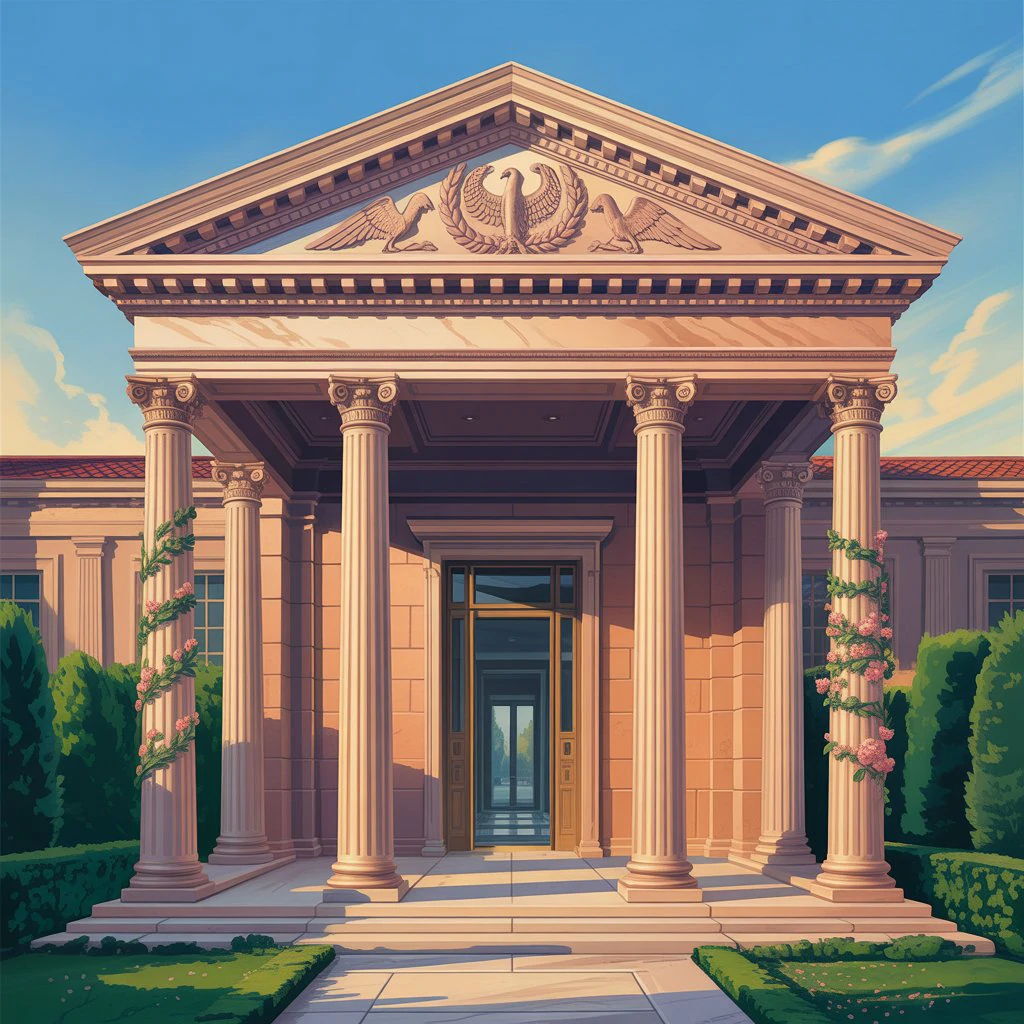
Introduction ❓
Have you ever stood in front of a grand building with tall columns and a covered entryway and wondered why it was designed that way? I remember asking myself this when I first walked under the shade of a large portico during a summer rain. Was it just for beauty, or was there a deeper purpose?
The truth is that porticos are more than decorative. They serve practical functions that stretch back thousands of years, from ancient temples in Greece to modern homes today. In this guide, I’ll explain the history, structure, and real purpose of porticos so you understand why they are built and how they still benefit us today.
For more professional home and roofing services, visit 👉 Akron Roofing Experts.
📄 What Is a Portico?
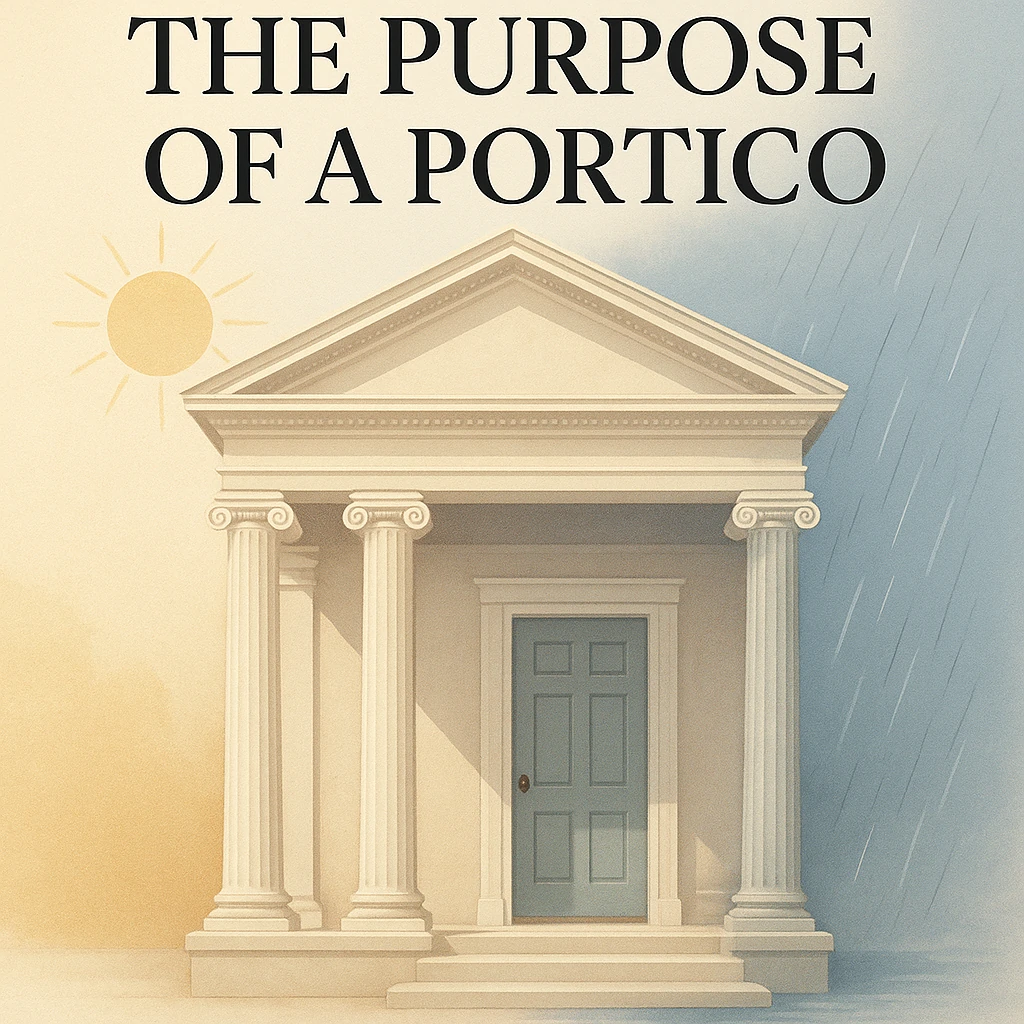
A portico is a covered entrance supported by columns or pillars, often leading to the doorway of a building. The word comes from the Latin “porticus,” which means porch.
Key Features of a Portico
- A roof structure extending from the main building
- Support provided by columns or walls
- An entrance pathway for shelter and design
- Used in public buildings, temples, homes, and churches
Porticos have been part of architecture for thousands of years. From the Parthenon in Athens to the Pantheon in Rome, these designs have stood as both functional and symbolic features.
⭐ Why Porticos Were Built in History
Ancient builders did not add porticos just for looks. They had strong reasons:
- 🌞 Protection from weather such as sun, rain, and wind
- 🏛️ A gathering place for people entering or leaving a structure
- ⭐ A sign of power, status, or religious importance
- 📖 A transition space from the outside world into a sacred or private area
In Greek and Roman culture, porticos became symbols of civic pride and stability. In Renaissance and Colonial architecture, they returned as a statement of elegance and balance.
📚 The Main Purposes of a Portico
1. Shelter and Protection ☂️
A portico shields visitors from direct weather. Whether rain, snow, or strong sunlight, the roof creates a protective space before entering.
2. Architectural Balance ⚖️
Builders use porticos to create symmetry. Columns, steps, and rooflines add balance to a building’s design, giving it a timeless, structured appearance.
3. Social and Cultural Role 👥
Historically, porticos acted as meeting points. Citizens gathered under them for discussions, announcements, or shelter. Churches and government buildings often used porticos as community entry points.
4. Symbol of Authority 🏛️
Grand porticos signal importance. Think of the U.S. Capitol Building or St. Peter’s Basilica. The size and design convey authority and permanence.
5. Value in Modern Homes 🏠
In residential architecture, a portico does more than add beauty. It increases curb appeal, protects entryways from wear, and provides a welcoming feel.
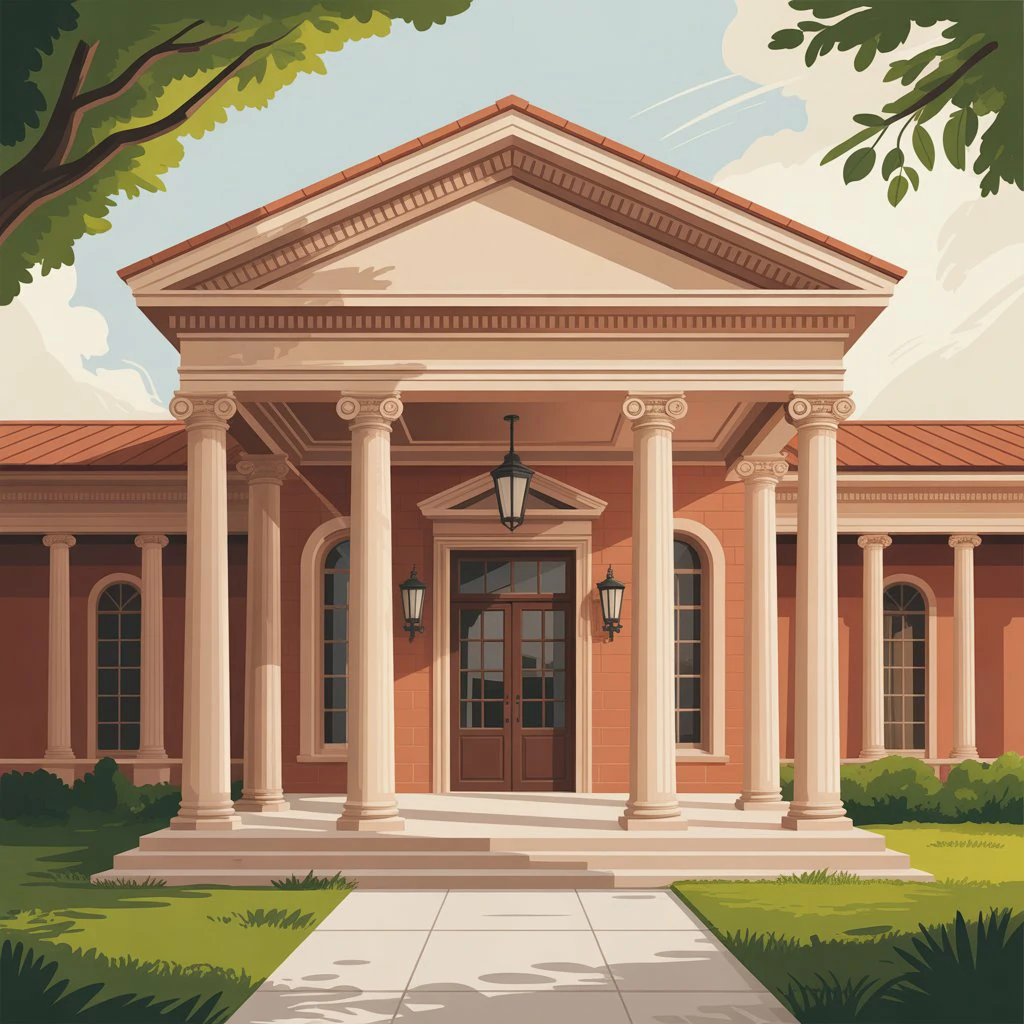
📊 Functions of Porticos Across Time
| Era | Purpose | Examples |
|---|---|---|
| Ancient Greece | Shelter, sacred transition | Parthenon, Athens |
| Ancient Rome | Power, civic pride | Pantheon, Rome |
| Renaissance | Balance, beauty | Florence churches |
| Colonial America | Elegance, welcome | Plantation homes |
| Modern Times | Curb appeal, practicality | U.S. Capitol, suburban homes |
🏠 Types of Porticos
Classical Portico 🏛️
Characterized by stone or marble columns with ornate capitals. Common in temples and government structures.
Residential Portico 🏡
Smaller versions attached to homes, often wooden with simple columns or posts.
Enclosed Portico 🚪
Designed with walls or glass panels to protect against extreme weather while maintaining entry elegance.
Modern Minimalist Portico ✨
Built with steel, glass, or concrete, focusing on clean lines and simplicity.
📂 Benefits of Adding a Portico Today
- ☂️ Weather protection for guests
- 🏡 Higher home value and curb appeal
- 🧱 Extended life for doors and entry materials
- ⭐ Enhanced architectural beauty
- 🪑 Additional space for seating or decoration
📖 Frequently Asked Questions
⭐ Conclusion
A portico is far more than decoration. It blends protection, design, and cultural meaning into one architectural feature. From ancient temples to modern homes, porticos continue to serve as both practical and symbolic elements of construction.
If you’re considering improving your home with features that add beauty and function, check 👉 Akron Roofing Experts.