Introduction
Have you noticed water stains on your ceiling or missing shingles after the last storm and wondered if your roof can still protect your home? I see this all the time — small signs that point to big problems. A quick, professional roof inspection can find hidden damage fast and save you thousands later.
Why this matters now 📄
Alabama sees high annual rainfall and periodic coastal storms, which put extra stress on roofs. Regular inspections spot leaks, failing flashings, and worn shingles before they become costly repairs. Acting early preserves your home’s structure and keeps your family safe.
What this article covers
-
What a professional roof inspection includes.
-
When to schedule inspections for South and Central Alabama.
-
Typical problems found and clear repair options.
-
How inspectors document findings and work with insurance.
-
Tables you can print and check during a walk-around.
-
A simple action plan and where to get professional help: akronroofingexperts.com.
What is a professional roof inspection? 👷♂️
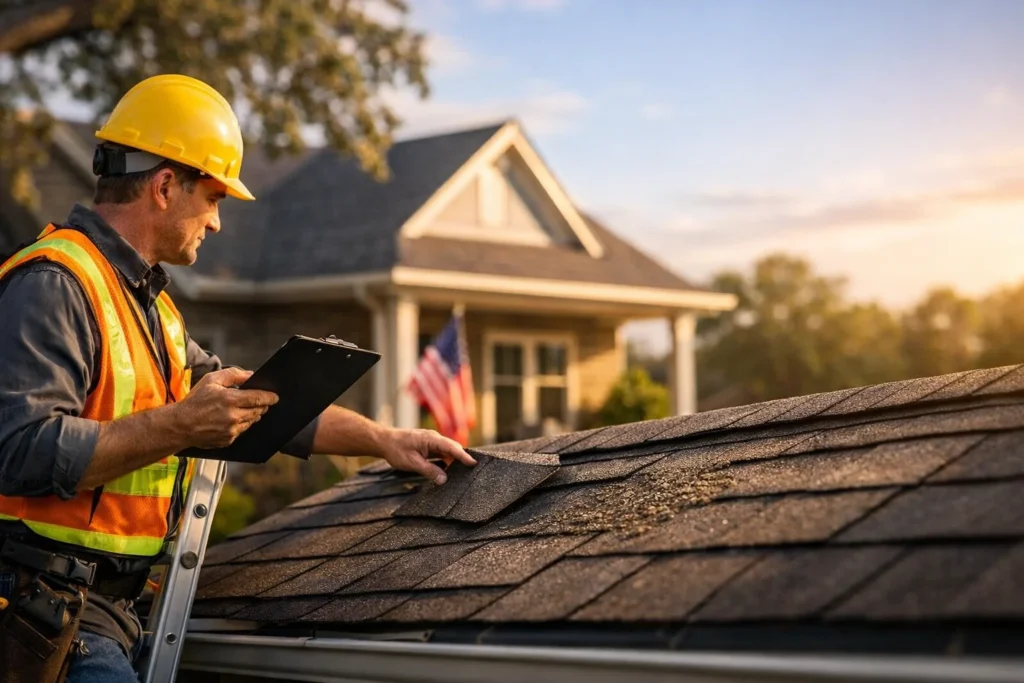
A professional roof inspection is a careful, step-by-step check of your roof’s parts and nearby systems. Inspectors evaluate the roof surface, underlayment, vents, gutters, flashing, and attic. They look for wear, leaks, structural issues, and storm damage. The goal is to give a clear report with safety notes and repair or replacement recommendations.
Key outcomes of an inspection:
-
A written condition report.
-
Photographs of damage or weak points.
-
A priority list: urgent fixes, routine maintenance, long-term replacement.
-
Cost estimates for repairs or replacement.
Who performs these inspections? 👷
-
Licensed roofing contractors with local experience.
-
Certified home inspectors who follow industry standards.
-
Insurance adjusters may also inspect for claims.
Choose a team with local Alabama experience — they know climate patterns and common local issues.
How often to inspect your roof (timing) ⭐
Best practice: inspect your roof at least twice a year — once in spring and once in fall — and again after any major storm or high-wind event. This schedule helps catch weather-related damage and normal wear early.
Inspect after these triggers:
-
Severe storms, hail, or wind gusts.
-
Noticeable leaks or water stains inside.
-
Visible missing or damaged shingles.
-
Age milestone: roofs older than 15–20 years (see lifespan below).
Roof lifespan and what age tells you (fact-based)
Most common asphalt shingle roofs last about 20–30 years, depending on product quality, installation, and local weather. Metal and tile roofs generally last longer. When your roof reaches its expected lifespan, inspections should be more frequent and focused on deciding repair vs. replacement.
The South and Central Alabama climate — why inspections matter here 📄
-
Higher-than-average annual precipitation increases moisture exposure for roofs in Alabama, raising the risk of leaks and rot. Alabama averages roughly 58 inches of precipitation per year, among the highest in the U.S.
-
The Gulf Coast area and nearby inland counties face occasional hurricanes and tropical storms; even inland, strong winds and heavy rain cause roof problems. Historical storm tracks show repeated Gulf impacts over decades.
This climate means roofs in South and Central Alabama face wetter, stormier conditions than many U.S. regions — inspections reduce unseen long-term damage.
What inspectors check — a clear checklist
| Area inspected | What they look for | Why it matters |
|---|---|---|
| Shingles & tiles | Cracks, curling, missing pieces, granule loss | Damaged shingles let water through the roof. |
| Flashing & seals | Gaps, rust, loose flashing around chimneys and vents | Flashing failures are common leak sources. |
| Gutters & downspouts | Blockages, loose fasteners, standing water | Poor drainage causes overflow and roof edge damage. |
| Attic & ventilation | Insulation gaps, mold, roof deck stains | Attic signs reveal hidden leaks and ventilation problems. |
| Roof penetrations | Seal integrity around pipes, skylights, vents | Penetrations are weak points for leaks. |
| Roof structure | Sagging areas, nail pops, rot around eaves | Structural issues can mean major repairs. |
| Storm damage | Hail dents, missing shingles, displaced nails | Quick detection aids insurance claims. |
(Use this table on your phone while inspecting the yard — the inspector will follow a similar list.)
Typical problems found and how serious they are
1. Missing or broken shingles
Missing shingles allow water entry and fast track roof deterioration. Replace shingles in sections when damage is localized; consider full replacement when damage is widespread.
2. Damaged flashing
Flashing around chimneys, vents, and valleys often fails first. Improperly sealed flashing creates slow leaks that rot the underlayment and decking.
3. Clogged gutters
Debris that blocks gutters forces water back under the roof edge. That leads to soffit and fascia rot and can damage the roof deck.
4. Poor attic ventilation
Inadequate ventilation traps heat and moisture, which speeds shingle aging and may promote mold growth.
5. Storm and hail damage
Hail can bruise or crack shingles without obvious missing pieces. Professional inspection and photos help with insurance claims.
6. Aging materials
Asphalt shingles lose granules over time; older roofs show brittle edges and leaks at flashings.
How inspectors document findings (report contents)
A good inspection report includes:
-
High-resolution photos with annotations.
-
A clear condition grade (e.g., Good, Fair, Poor).
-
A prioritized repair list with costs.
-
Safety notes: whether the roof is safe to walk on.
-
Estimated remaining life of the roof (years).
Inspectors use these reports to advise whether repairs will extend life or if replacement is more economical.
How inspections help with insurance claims ⭐
If storms damage your roof, a recent inspection report strengthens your claim by showing the roof’s pre-storm condition. After a storm, inspectors document new damage with time-stamped photos and written notes. Keep inspection reports on file so adjusters can compare before-and-after conditions.
DIY vs. professional inspection — clear guide
DIY quick checks (safe, yard-based):
-
Look for missing shingles or debris from the ground.
-
Check gutters for shingle granules (sign of roof wear).
-
Inspect attic for daylight, stains, or mold.
Professional inspection (recommended):
-
Full roof walk or safe drone roof survey.
-
Structural checks and moisture testing.
-
Accurate photos and a documented report for insurance.
Safety first: never climb steep or wet roofs. Use binoculars and attic checks for DIY.
Inspection process step-by-step (what to expect)
-
Schedule & prepare: Book a licensed inspector. Clear yard access and tell them about recent storms.
-
On-site exterior check: Inspector walks the roof (or uses drone) and checks gutters, chimney, and vents.
-
Interior attic check: Inspect for stains, mold, insulation, and ventilation.
-
Tests & measurements: Moisture meter, thermal camera, or probe tests as needed.
-
Report & estimate: Written report with photos and prioritized fixes.
-
Follow-up: Discuss repairs, warranties, and insurance support.
Cost factors and typical price ranges
| Service | Typical range (USD) | Notes |
|---|---|---|
| Basic roof inspection (visual, report) | $75–$250 | Depends on roof size and access difficulty. |
| Drone inspection with thermal imaging | $150–$400 | Useful for multi-story homes or steep slopes. |
| Minor repairs (shingles/flashings) | $150–$1,000 | Varies by extent and materials. |
| Major repairs / partial replacement | $1,000–$6,000+ | Depends on area and decking condition. |
| Full roof replacement | $5,000–$25,000+ | Material and home size drive cost. |
Costs vary by contractor, roof complexity, and material choices. Get at least two written estimates for major work.
How to read an inspection report — quick decoding tips
-
Condition grade: Use it to set priorities — urgent vs. monitor.
-
Photos labeled with dates: Key for insurance.
-
Suggested fixes vs. required fixes: Required fixes impact safety and structure.
-
Warranty notes: Check any manufacturer or workmanship warranty mentioned.
-
Estimated life years: Helps decide repair vs. replacement.
Common myths and clear facts 📄
-
Myth: “My roof is fine because I see no leaks.”
Fact: Many roof leaks begin as small underlayment or flashing failures visible only from attic or close inspection. -
Myth: “Storm damage is obvious; I don’t need an inspection.”
Fact: Hail can bruise shingles without breaking them; only a trained inspector or thermal imaging reveals hidden damage. -
Myth: “All inspectors give the same ratings.”
Fact: Experience and tools vary; pick licensed, local pros with clear reports.
Evidence-based benefits of regular inspections
Early detection saves money: Small repairs cost a fraction of full replacement.
Prolongs roof life: Routine maintenance and targeted repairs add years to roof materials.
Insurance readiness: Timely documentation speeds claims after storms.
Home value protection: A well-documented roof adds buyer confidence during sale.
Industry standards recommend scheduled inspections and documented maintenance to preserve roof systems.
Printable homeowner (copy & print these)
Quick roof check — 8-point print
| Check | Yes / No | Notes |
|---|---|---|
| Visible missing shingles? | ||
| Granules in gutters? | ||
| Flashing gaps near chimneys? | ||
| Interior attic stains? | ||
| Vent damage or blockages? | ||
| Sagging or dips in roofline? | ||
| Recent storm / hail? | ||
| Last professional inspection date: |
When to call a pro — decision table
| Situation | Action |
|---|---|
| New leaks inside ceiling | Call a professional now |
| After major storm | Schedule inspection within days |
| Age > 20 years | Inspect twice a year |
| Visible missing shingles | Repair within weeks |
How an inspector tests for hidden damage
-
Thermal imaging finds moisture areas not visible by eye.
-
Moisture meters check decking for wet spots.
-
Fastener checks verify nail integrity and displacement.
-
Photographic evidence with annotated images supports claims and repairs.
Maintenance actions a homeowner can do (safe & useful) ⭐
-
Clean gutters twice a year.
-
Trim overhanging branches to reduce debris and impact risk.
-
Keep attic insulation and ventilation in good condition.
-
Remove moss or algae gently; consider professional cleaning for large growth.
-
Store inspection reports and photos in a safe folder or cloud account.
Working with insurance after storm damage
-
Document immediately: Take yard photos and interior leak photos with dates.
-
Call your insurer: File a claim quickly and ask about inspection steps.
-
Hire a professional inspector to document damage — their report helps support your claim.
-
Keep all estimates and receipts for repairs.
-
If needed, request an independent adjuster to compare findings.
A professional inspection strengthens your position with documented, dated evidence.
Choosing the right inspection company👷♂️
-
Licensed, bonded, and insured.
-
Local Alabama experience and references.
-
Clear written reports with photos.
-
Offers both inspection and repair estimates.
-
Provides warranty details for workmanship.
For trusted local help, visit akronroofingexperts.com for services across South and Central Alabama.
Case study snapshot (anonymized, factual example)
Home: 12-year-old asphalt-shingle home in Mobile County.
Trigger: Heavy fall storm with hail.
Inspection findings: Granule loss, hairline cracks on 15% of shingles, flashing gap at chimney, minor attic insulation moisture.
Action taken: Local contractor replaced flashings, repaired damaged shingle areas, sealed penetration points. Insurance covered 80% of flashing work after documented inspection. Repairs prevented a gradual deck rot that would have cost 6× more to fix later.
This example shows inspections limit long-term costs and support effective claims.
Frequently asked questions (FAQ) — short answers
Action Plan — what to do next (simple steps)
-
If you noticed stains or missing shingles, book an inspection now.
-
Keep a folder with past inspection reports and photos.
-
Schedule inspections twice a year and after storms.
-
Get at least two written estimates for major repairs.
-
Use evidence in reports to file insurance claims if needed.
Closing — final notes (short, direct)
A timely roof inspection protects your home and wallet. In South and Central Alabama’s wet and storm-prone climate, proactive inspections are the most practical way to avoid surprise costs and unsafe conditions. For detailed, professional inspections and clear reports, visit akronroofingexperts.com.