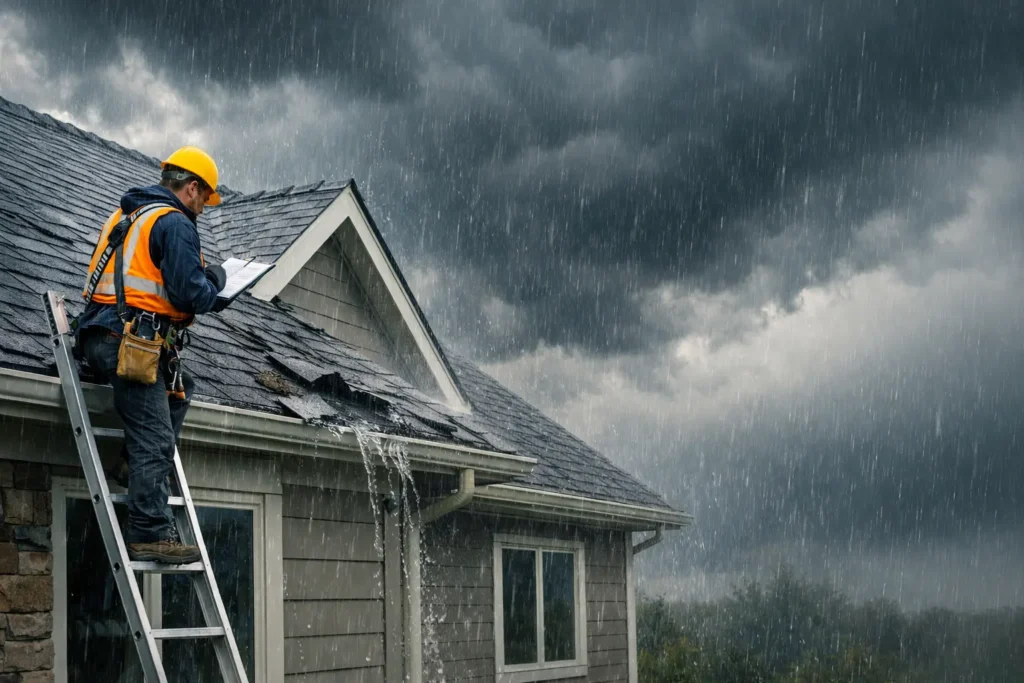
- Intro
- ⭐ Why acting now matters (short and urgent)
- 📌 The big-picture facts you should know (evidence-based)
- 👤 Immediate actions to take during or right after a storm (do these first)
- 📄 How roofs fail in storms — and what to watch for
- ⭐ What professionals do at first visit (and why it helps)
- 🛠️ Estimated repair costs by roof type (professional reference)
- 📋 Insurance and documentation: how to maximize your claim
- 🧰 Preventive maintenance checklist (do this seasonally)
- 📈 How much faster problems escalate — and why speed saves money
- 👷 What “emergency roof tarping” is — and when to use it
- 🔍 Choosing the right storm-repair contractor
- 🧾 Sample timeline after a damaging storm (what to expect)
- 💡 Long-term improvements that reduce future storm risk
- ⭐ Case study (quick, factual example)
- 🔗 When to call pros vs. DIY
- ✅ Quick reference: How to prioritize actions (one-line guide)
- 📚 Resources and authoritative sources
- ⭐ Final checklist — act now to protect your home
Intro
Have you ever stood inside your home listening to wind rattle the shingles and wondered, how soon will this turn into water in my attic or a repair bill I can’t afford? I’ve faced that panic — and I learned quick action prevents small roof problems from becoming disaster-sized losses.
⭐ Why acting now matters (short and urgent)
Storms hit fast. Water moves faster than paperwork; mold can start within 24–48 hours after a flood. Quick fixes stop leaks, prevent mold, limit structural damage, and keep repair costs lower.
📌 The big-picture facts you should know (evidence-based)
-
The U.S. has seen hundreds of billion-dollar weather disasters since 1980; costly storms are more frequent and expensive.
-
Roof-related damage accounts for a very large share of insured residential catastrophic losses — estimates suggest 70–90% of these losses involve the roof. Protecting the roof reduces most disaster losses.
-
In recent years, wind and hail were leading causes of homeowner insurance claims; wind and hail accounted for about 2.8% of insured homes filing claims in a five-year period.
-
The average storm repair cost can be large — many projects run in the thousands; some estimates place average storm-related repair costs around $12,000, depending on severity. Prompt action stops escalation.
👤 Immediate actions to take during or right after a storm (do these first)
-
🟢 Check for danger first. If wires are down or flooding is severe, move to higher ground and call emergency services.
-
🟢 Protect people, then property. Ensure family safety; don’t climb on a wet roof.
-
🟢 Document damage with photos and videos—capture roof, gutters, interior leaks, and fallen trees for insurance.
-
🟢 Place temporary tarps on leaking areas only if safe; a tarp prevents water from causing faster interior damage.
-
🟢 Call a licensed storm-restoration professional for an inspection and emergency tarping if needed.
(Use the table below for a quick checklist you can print or screenshot.)
| Step | Action | Why it matters |
|---|---|---|
| 1 | Move people to safety | Human life first |
| 2 | Photograph damage (wide + close) | Insurance proof |
| 3 | Stop active leaks (bucket/tarp) | Prevents interior damage |
| 4 | Call licensed pros | Proper, safe repairs |
| 5 | Preserve receipts and records | Supports claims, tax/repair records |
📄 How roofs fail in storms — and what to watch for
Storms damage roofs in predictable ways. Knowing the signs helps you act fast.
-
Wind uplift: high winds can lift shingles and expose roof felt. Look for missing shingles, curled edges, or torn underlayment.
-
Hail impact: hail dents or fractures shingles and metal; tiny cracks worsen with rain.
-
Debris strike: branches and flying debris puncture roofing materials and flashings.
-
Gutter and flashing failure: overloaded gutters and damaged flashings let water back under shingles and into soffits.
-
Seam and penetration leaks: chimneys, vents, and skylights are common weak points where water enters.
If you see any of these signs after a storm, act now — delays let water, rot, and mold spread.
⭐ What professionals do at first visit (and why it helps)
When a licensed roofing team inspects your home, they typically:
-
Assess the roof deck, shingles, and underlayment for active and hidden damage.
-
Secure temporary tarping to stop new water entry.
-
Check attic and interior for signs of water intrusion, staining, and mold.
-
Compile a clear damage report with photos you can give to your insurer.
A professional’s timely report speeds insurance approval and reduces long-term costs.
🛠️ Estimated repair costs by roof type (professional reference)
| Roof Type | Typical repair range (per square / 100 sq ft) | Notes |
|---|---|---|
| Asphalt shingle | $400–$700 per square | Most common; repairs affordable but patching may show color fade. |
| Metal | $500–$1,200 per square | Durable but dents from hail can need panel replacement. |
| Tile | $700–$2,000 per square | Fragile to impact; tile replacement and matching increases cost. |
| Complete replacement | $5,500–$35,000 typical total | Varies by home size, material, and region. Prompt repair saves money. |
(These ranges are industry averages; get local quotes for exact pricing.)
📋 Insurance and documentation: how to maximize your claim
-
Read your policy now — know what storm perils your policy covers (wind, hail, flood are different). Keep policy number accessible.
-
Document everything — photos, videos, dates, names of contractors, and receipts. Detailed evidence reduces denials.
-
File early — insurers expect prompt reporting; delays can complicate payouts. (Industry data shows claims volume and catastrophe claims have risen in recent years.)
-
Get a professional damage report — adjusters favor third-party assessments from licensed roofers.
-
Keep temporary repairs reasonable — perform necessary measures (tarps, boards) and keep receipts; insurers typically reimburse reasonable temporary repairs.
🧰 Preventive maintenance checklist (do this seasonally)
-
⭐ Inspect shingles for cracks, curling, or granule loss.
-
⭐ Trim overhanging branches that can fall and puncture the roof.
-
⭐ Clean gutters and downspouts to prevent water backup and ice dams.
-
⭐ Check flashing around chimneys and vents; replace cracked sealants.
-
⭐ Seal attic penetrations and ensure good attic ventilation to prevent moisture build-up.
Regular maintenance reduces the chance of storm damage becoming catastrophic.
📈 How much faster problems escalate — and why speed saves money
-
Mold growth can begin within 24–48 hours after water exposure; mold increases health risk and remediation cost.
-
Unrepaired roof breaches let rain and wind accelerate structural decay; what might be a shingle repair turns into deck replacement or total re-roof.
-
Insurance trends show rising catastrophe claims in recent years, increasing pressure on homeowners to document and mitigate damages quickly.
👷 What “emergency roof tarping” is — and when to use it
Emergency roof tarping is a temporary fix where a licensed crew anchors heavy-duty tarps over damaged areas to stop rain entry. Use tarping when:
-
You spot an active leak after a storm.
-
Shingles or flashing show large gaps.
-
Insurance or contractor will not arrive immediately.
Tarping buys you time but is not a substitute for permanent repairs.
🔍 Choosing the right storm-repair contractor
Look for these musts:
-
Licensed, bonded, and insured contractor (ask for credentials).
-
Clear written estimate and timeline.
-
Warranty on workmanship and materials.
-
Experience with insurance claims and claim documentation.
-
Local references and recent project photos.
Ask for a written contract before work starts. Avoid contractors who demand full payment upfront or pressure you to sign immediately.
🧾 Sample timeline after a damaging storm (what to expect)
| Day | Action |
|---|---|
| Day 0–1 | Ensure safety; document damage; call emergency services if needed. |
| Day 1–3 | Contact roofing pro for inspection and temporary tarping. |
| Day 3–7 | File insurance claim and share contractor damage report. |
| Week 1–3 | Adjuster visits; estimates finalized. |
| Week 2–6+ | Permanent repairs scheduled and completed depending on severity. |
A clear timeline helps you manage expectations and supports faster claims.
💡 Long-term improvements that reduce future storm risk
-
Upgrade to storm-rated shingles and secure underlayment systems (FORTIFIED or similar standards reduce losses).
-
Install impact-resistant materials where hail is common.
-
Reinforce roof to wall connections if you live in an area with high winds.
-
Improve drainage with larger gutters and downspouts.
-
Create an emergency folder with insurance details, contractor contacts, and recent roof photos.
Investing in resilience lowers future repair costs and increases your home’s safety.
⭐ Case study (quick, factual example)
After a violent storm, one suburban home had several missing shingles and an attic leak. A local contractor applied emergency tarping the same day, documented damage, and submitted a photo report. The insurer approved repairs within two weeks. The homeowner avoided mold remediation and a full deck replacement — saving thousands compared to delayed action. This mirrors industry evidence that prompt response lowers total loss.
🔗 When to call pros vs. DIY
-
Call pros for roof access, large leaks, structural damage, tarping, or insurance interactions.
-
DIY tasks: clearing gutters (from ground if safe), moving valuables away from leak areas, and taking photos.
-
Never DIY on a wet roof or during active storms.
If you want a licensed inspection and emergency response, consider trusted local specialists. For professional help and local response options, visit: https://akronroofingexperts.com
✅ Quick reference: How to prioritize actions (one-line guide)
-
Ensure safety (people first).
-
Document damage (photos + video).
-
Apply temporary measures to stop active water flow.
-
Call a licensed roofer for inspection/tarping.
-
File insurance claim with documentation.
📚 Resources and authoritative sources
-
NOAA’s record of billion-dollar weather disasters provides national context on how disaster frequency and cost have changed.
-
CDC guidance explains mold growth timelines and cleanup priorities after water exposure.
-
The Insurance Information Institute and industry reports highlight claims patterns and the role of roof damage in catastrophe losses.
-
Industry cost guides give typical ranges for storm and roof repairs.
⭐ Final checklist — act now to protect your home
-
🟢 Check safety, document, and protect people.
-
🟢 Take photos: roof, gutters, interior ceilings, attic, and surrounding trees.
-
🟢 Call a licensed roofer for inspection and emergency tarping.
-
🟢 File your insurance claim with documented evidence.
-
🟢 Keep receipts for temporary repairs and storage costs.
Swift, evidence-backed action prevents small roof damage from turning into expensive, long-term problems.
Need immediate help? If your roof leaks or you’ve seen obvious impact, contact a licensed local roofer now and preserve your home’s value and safety. For professional roofing help and emergency response resources, visit akronroofingexperts.com.