
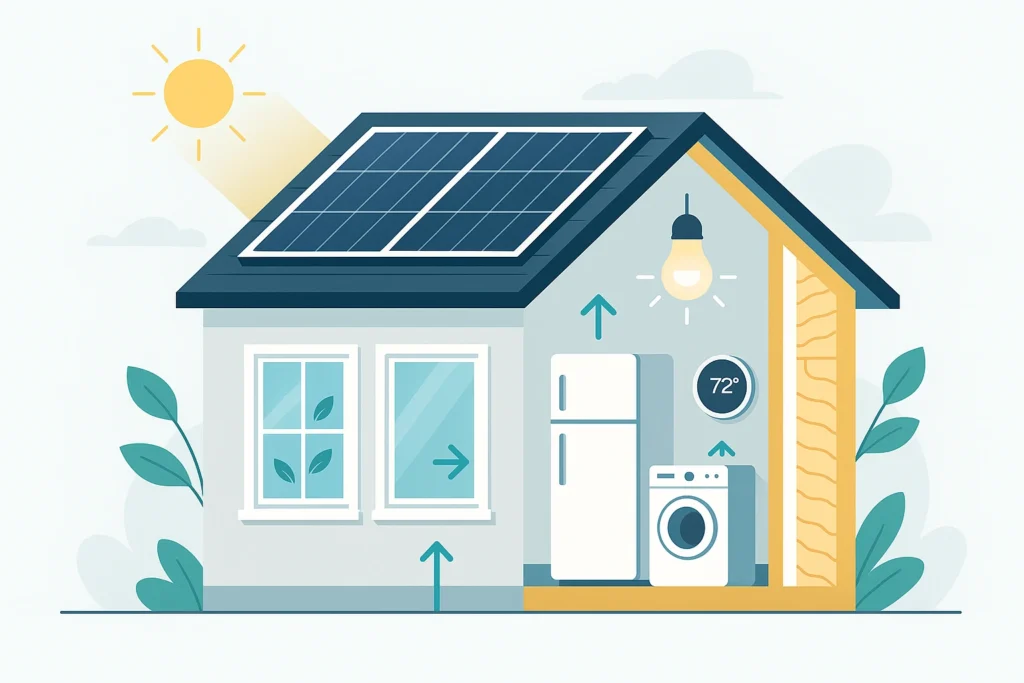
- ❓ Introduction: Why Should You Care About Energy Efficiency?
- 📄 What Is Energy Efficiency in Homes?
- 🌟 Why Energy-Efficient Upgrades Are Important
- 📊 Quick Comparison: Traditional vs. Energy-Efficient Homes
- 🛠️ Common Energy-Efficient Home Upgrades
- 📊 Energy Savings by Upgrade
- 🧑🔧 DIY vs Professional Upgrades
- 📈 Long-Term Benefits
- 📄 Conclusion
- 📄 Quick Answers:
❓ Introduction: Why Should You Care About Energy Efficiency?
Have you ever opened your energy bill and felt frustrated by how high it was? Or maybe you’ve wondered how much energy your home uses and what that means for the planet. These are common concerns for homeowners. The truth is, energy-efficient home upgrades can solve both problems. They cut costs 💵 and reduce environmental impact 🌍 at the same time.
In this article, I’ll explain what energy efficiency means, why it matters, and which upgrades deliver the most value. You’ll also see how these changes boost comfort, improve home value, and save thousands of dollars in the long run.
For expert support or professional services, visit 👉 Akron Roofing Experts.
📄 What Is Energy Efficiency in Homes?
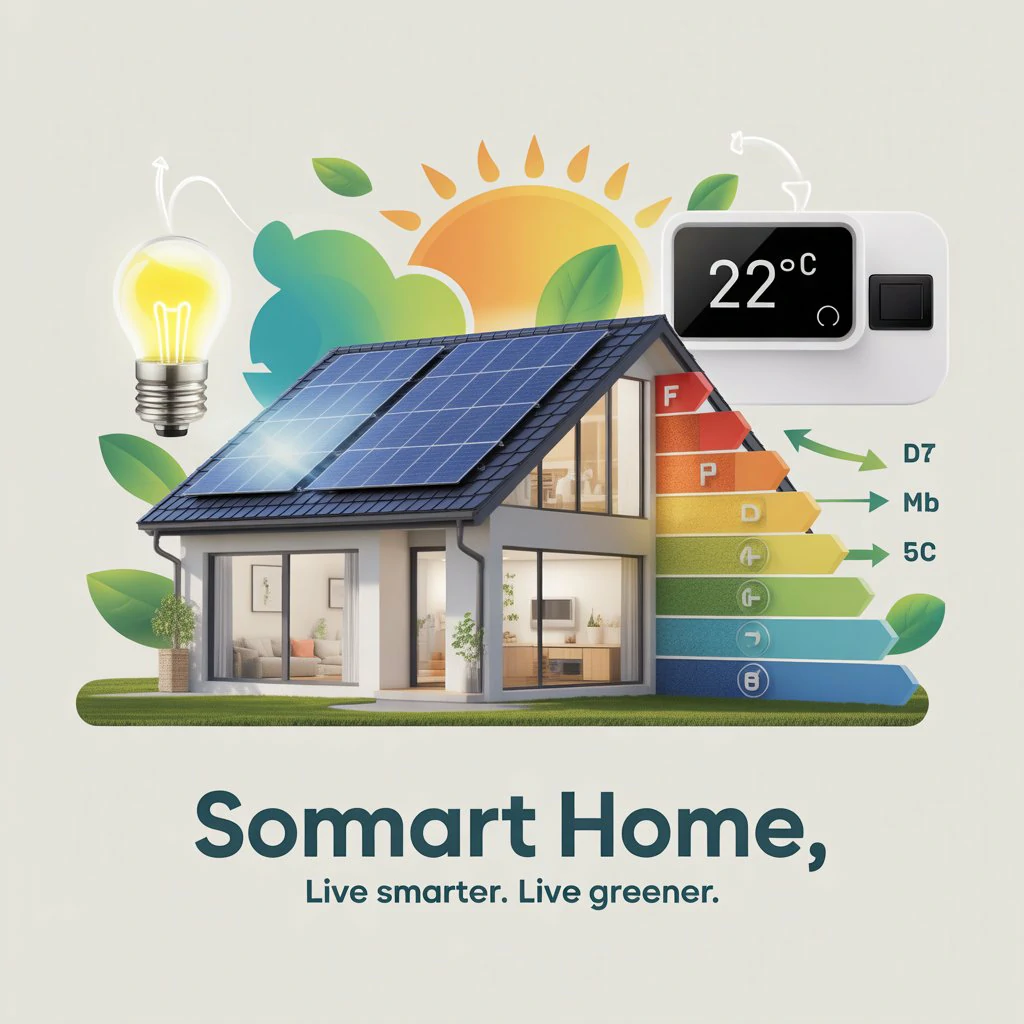
Energy efficiency means achieving the same results while using less energy. For example, LED bulbs use 75% less electricity than older bulbs while giving the same brightness. Inside a home, energy efficiency includes:
- Reducing wasted power
- Lowering monthly bills
- Maintaining comfort and performance
According to the U.S. Department of Energy, the average American household spends about $2,200 per year on energy bills, with nearly half going to heating and cooling. Smart upgrades like insulation, efficient HVAC systems, and energy-saving appliances can cut these costs by up to 30%.
🌟 Why Energy-Efficient Upgrades Are Important
1. 💵 Lower Energy Bills
The Environmental Protection Agency (EPA) estimates that ENERGY STAR-certified upgrades save families up to 30% on annual utility bills. That’s hundreds of dollars back each year.
2. 🌍 Reduce Environmental Impact
Homes contribute nearly 20% of U.S. greenhouse gas emissions. By using less energy, you lower your carbon footprint and help fight climate change.
3. 🏠 Improve Comfort
- Proper insulation keeps temperatures stable year-round.
- Energy-efficient windows prevent drafts and reduce outside noise.
- Smart thermostats manage heating and cooling automatically.
4. 📈 Raise Property Value
Zillow studies show that energy-efficient homes sell for 2–5% more than similar houses. Buyers value lower energy costs and long-term savings.
📊 Quick Comparison: Traditional vs. Energy-Efficient Homes
| Feature | Traditional Home | Energy-Efficient Home |
|---|---|---|
| Energy Bills | High and rising | Up to 30% lower |
| Comfort | Drafts, uneven temps | Consistent comfort |
| Environmental Impact | Higher emissions | Lower carbon footprint |
| Resale Value | Average | 2–5% higher |
🛠️ Common Energy-Efficient Home Upgrades
🚪Windows & Doors
Old windows and doors waste 25–30% of heating and cooling energy. Solutions include:
- Double-pane or triple-pane windows with insulating gas
- Energy-efficient doors with insulated cores
- Caulking or weatherstripping
🕳️ Seal Air Leaks
Air leaks let money escape. Common spots include:
- Attics
- Windows and doors
- Plumbing gaps
Sealing leaks can save 10–20% on energy.
❄️ Upgrade HVAC Systems
Heating and cooling account for 50% of household energy use. ENERGY STAR-certified HVAC systems cut use by 15–20%, while providing cleaner air and steadier comfort.
📱 Smart Thermostats
These devices learn your habits and adjust automatically. The Department of Energy reports they save 10% annually on heating and cooling costs.
🍳 Energy-Efficient Appliances
Look for the ENERGY STAR label:
- Refrigerators use 15% less energy
- Washers use 25% less energy and 33% less water
- Dishwashers save 12% energy and 30% water
🧱 Add Insulation
Insulation cuts heating and cooling needs by 20–30%. Common materials: fiberglass batts, spray foam, and cellulose.
☀️ Solar Panels
Solar panels offset up to 100% of electricity use. Costs have dropped by 60% since 2010, making solar more affordable.
💡 LED Lighting
LED bulbs last 25 times longer than traditional ones and cut lighting costs by 75%. Replacing all bulbs can save about $225 per year.
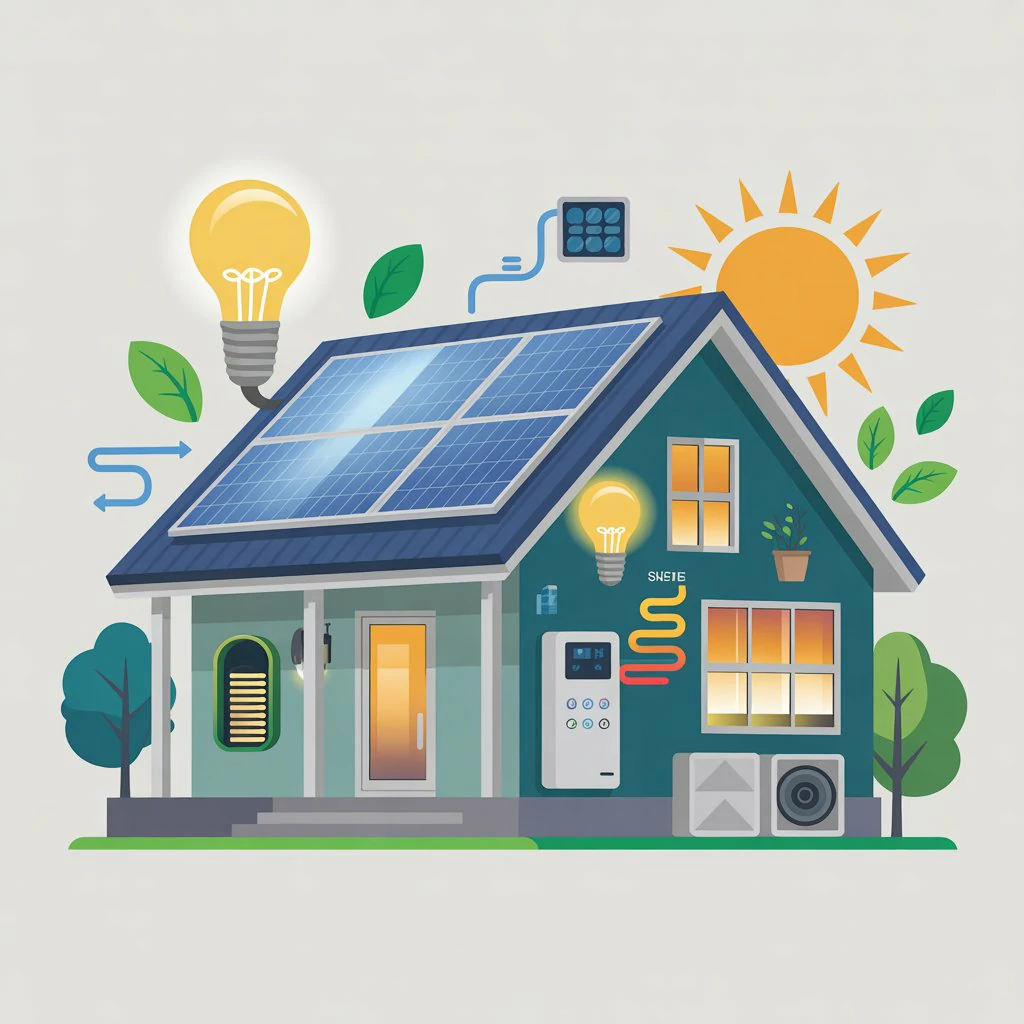
📊 Energy Savings by Upgrade
| Upgrade | Average Energy Savings | Extra Benefits |
|---|---|---|
| Windows & Doors | 25–30% less heat loss | Comfort + Noise reduction |
| HVAC System | 15–20% less energy | Cleaner air |
| Smart Thermostat | 10% savings | Remote control |
| Appliances | 10–30% | Better performance |
| Insulation | 20–30% | Year-round comfort |
| Solar Panels | 50–100% offset | Tax credits + Value boost |
🧑🔧 DIY vs Professional Upgrades
| Task | DIY Possible? | Professional Needed? |
|---|---|---|
| Caulking & Weatherstripping | ✅ | ❌ |
| Adding Insulation | ❌ | ✅ |
| Installing Windows/Doors | ❌ | ✅ |
| Switching to LED | ✅ | ❌ |
| HVAC Replacement | ❌ | ✅ |
| Smart Thermostat Setup | ✅ | Optional |
📈 Long-Term Benefits
- Lower lifetime costs: Save thousands over 10–15 years
- Government incentives: Federal tax credits cover up to 30% of solar and other upgrades
- Better indoor air quality: Reduces asthma and allergies
- Sustainability: Every kilowatt saved reduces strain on power plants
📄 Conclusion
Energy-efficient upgrades are a smart investment. They save money, improve comfort, and protect the environment. From sealing leaks to installing solar panels, every step makes your home better and more valuable.
📄 Quick Answers:
Start small if needed, but don’t delay. Each upgrade adds savings and long-term benefits. For professional help with insulation, roofing, or other improvements, visit 👉 Akron Roofing Experts.