
- Introduction ❓
- 📑 Why Metal Roofing Is a Smart Choice
- 📘 Main Types of Metal Roofing
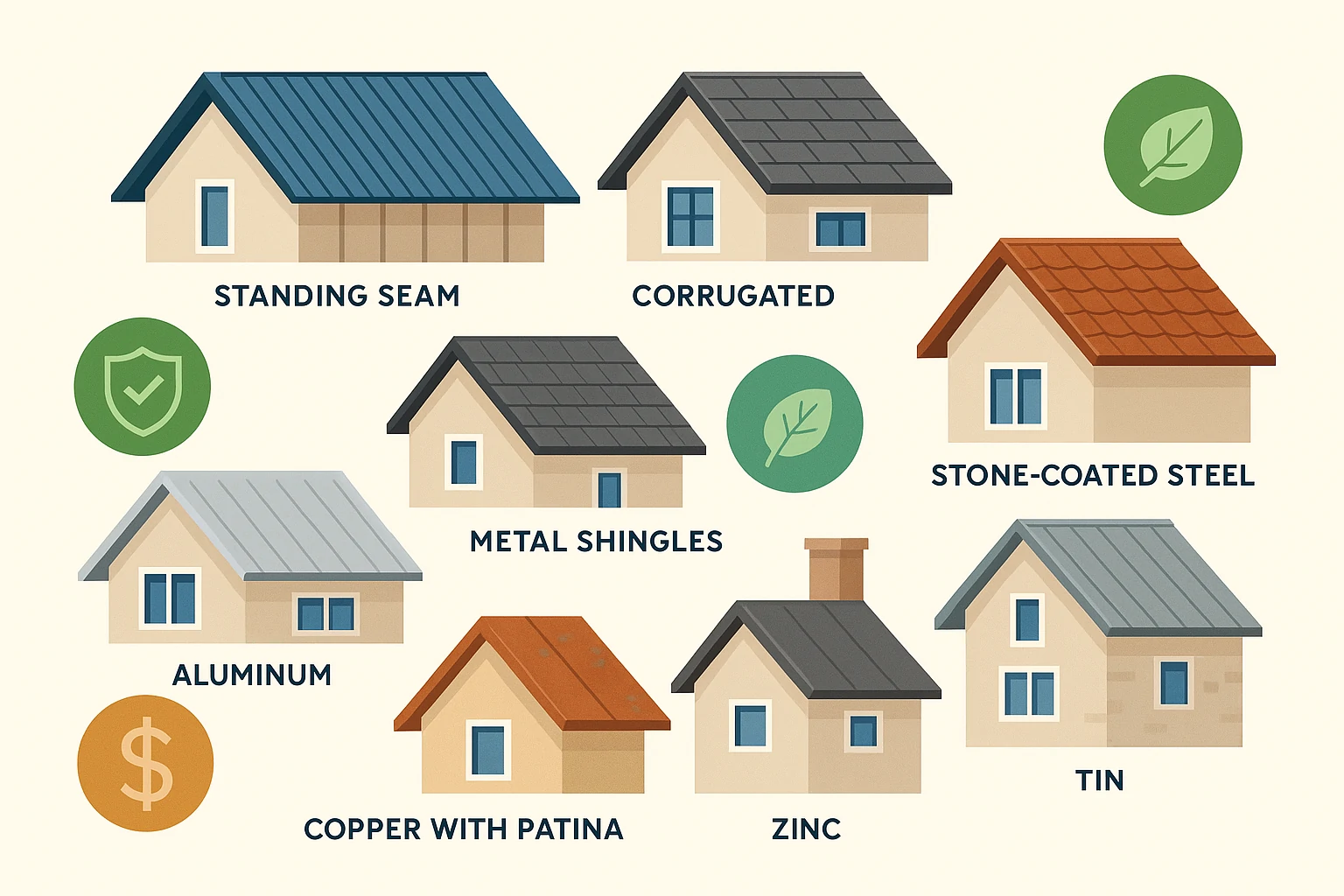
- 1. Standing Seam Metal Roof 🔧
- 2. Corrugated Metal Roof 📄
- 3. Metal Shingle Roof 🧱
- 4. Stone-Coated Steel Roof
- 5. Aluminum Roofing ⚡
- 6. Copper Roofing 🟠
- 7. Zinc Roofing 🌿
- 8. Tin Roofing (Terne Steel) 🏗️
- 📊 Expanded Comparison Table of Metal Roofing
- 📑 Cost Analysis 💵
- 📘 Installation Process
- 📑 Maintenance Tips
- 📘 Environmental Benefits 🌍
- 📑 Common Misconceptions
- ✅ Final Thoughts
- 🛡️ Key Questions on Metal Roofing Explained
Introduction ❓
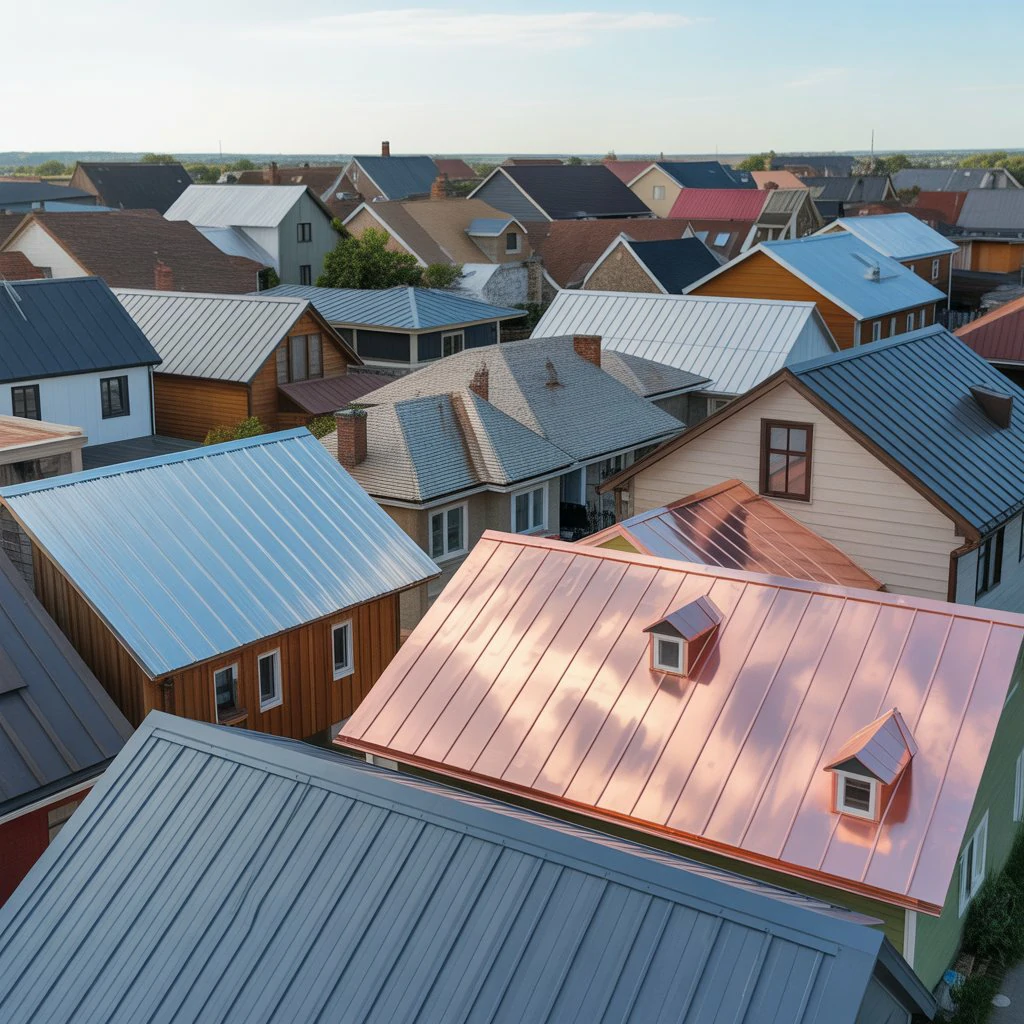
Is your roof reaching the end of its lifespan, or are you worried about constant repairs? 🤔 Replacing a roof is one of the biggest investments a homeowner makes. The challenge is choosing a material that is strong, stylish, and cost-effective. Asphalt shingles may seem affordable, but they wear out quickly. That’s why more homeowners, architects, and commercial property owners are turning to metal roofing.
When I looked into roofing options for my own home, I realized how many choices exist: standing seam, corrugated, aluminum, copper, and more. But which one truly lasts, and which matches your budget? This ultimate guide gives you everything you need — benefits, drawbacks, costs, and expert comparisons — so you can make a confident decision. If you want trusted roofing services, you can always visit 👉 Akron Roofing Experts.
📑 Why Metal Roofing Is a Smart Choice
Metal roofing isn’t just a modern trend. It’s a proven roofing system with centuries of use in homes, cathedrals, and government buildings. Today, it’s one of the fastest-growing sectors in construction.
📊 Industry Data:
- In the U.S., metal roofing now represents 15% of residential roofing, up from just 8% in 2010 (Metal Roofing Alliance).
- A properly installed metal roof can withstand winds of up to 140 mph (similar to hurricane-force winds).
- Energy-efficient coatings can cut cooling costs by 10–25% depending on climate.
Key Advantages ⭐
- Durability: Lasts 2–4 times longer than asphalt.
- Safety: Non-combustible; Class A fire-rated.
- Resale Value: Increases home value by up to 6%.
- Sustainability: Most panels are 100% recyclable.
- Design Flexibility: Modern, rustic, or traditional aesthetics.
📘 Main Types of Metal Roofing
1. Standing Seam Metal Roof 🔧
Overview: Vertical panels joined by raised seams for a watertight finish and sleek design.
Best Uses: Modern homes, commercial buildings, snowy or rainy areas.
Advantages:
- Concealed fasteners reduce leaks.
- Can last 50+ years.
- Works well with solar panels.
Disadvantages:
- High upfront cost ($9–$14/sq. ft.).
- Needs professional installation.
Climate Fit: Excellent in cold and snowy regions.
2. Corrugated Metal Roof 📄
Overview: Wavy ridged panels, traditionally used on barns but now common in homes.
Best Uses: Rustic properties, sheds, warehouses.
Advantages:
- Affordable ($4–$7/sq. ft.).
- Strong due to corrugated design.
- Easy to install.
Disadvantages:
- Exposed fasteners need maintenance.
- Less modern appearance.
Climate Fit: Works in hot and cold climates but requires fastener checks.
3. Metal Shingle Roof 🧱
Overview: Mimics asphalt, slate, or wood shakes but with metal durability.
Best Uses: Traditional residential homes.
Advantages:
- Wide design choices.
- Lightweight compared to asphalt.
- Fire-resistant.
Disadvantages:
- More costly than asphalt.
- Labor-intensive installation.
Climate Fit: Great for regions with changing seasons.
4. Stone-Coated Steel Roof
Overview: Steel panels coated with stone granules for strength and style.
Best Uses: Homes seeking tile or shake aesthetics, windy regions.
Advantages:
- Extremely hail-resistant.
- Attractive design options.
- Lifespan of 40–70 years.
Disadvantages:
- Higher cost than shingles or corrugated.
- Requires skilled installers.
Climate Fit: Perfect in hail-prone zones.
5. Aluminum Roofing ⚡
Overview: Lightweight, corrosion-resistant, and ideal for coastal climates.
Best Uses: Oceanfront and humid environments.
Advantages:
- Rust-proof.
- Lightweight but strong.
- Reflects heat.
Disadvantages:
- Higher cost ($8–$12/sq. ft.).
- Softer, dents easier.
Climate Fit: Coastal and humid regions.
6. Copper Roofing 🟠
Overview: Premium material that develops a natural green patina.
Best Uses: Luxury homes, historic renovations, landmark buildings.
Advantages:
- Can last 100+ years.
- Distinctive aesthetic.
- Fully recyclable.
Disadvantages:
- Expensive ($15–$25/sq. ft.).
- Rain runoff may stain surfaces.
Climate Fit: Durable in all climates, especially dry or coastal.
7. Zinc Roofing 🌿
Overview: Patinas naturally, self-healing scratches.
Best Uses: Sustainable and eco-friendly projects.
Advantages:
- Lifespan up to 100 years.
- Low maintenance.
- Sustainable.
Disadvantages:
- Expensive ($12–$18/sq. ft.).
- May develop chalky residue in humidity.
Climate Fit: Best in mild climates.
8. Tin Roofing (Terne Steel) 🏗️
Overview: Modern tin roofs are terne-coated steel, valued for durability.
Best Uses: Vintage homes, budget-friendly upgrades.
Advantages:
- Affordable ($6–$9/sq. ft.).
- Lightweight.
- Classic look.
Disadvantages:
- Needs protective coatings.
- Less common than steel or aluminum.
Climate Fit: Ideal for dry climates.
📊 Expanded Comparison Table of Metal Roofing
| Roofing Type | Lifespan (Years) | Cost (Installed, sq. ft.) | Maintenance Needs | Wind Resistance | Best Climate Fit |
|---|---|---|---|---|---|
| Standing Seam | 40–70 | $9–$14 | Low | Excellent | Snowy/Rainy |
| Corrugated | 30–45 | $4–$7 | Medium | Good | Mixed Climates |
| Metal Shingles | 40–60 | $8–$12 | Low | Very Good | Seasonal Regions |
| Stone-Coated Steel | 40–70 | $9–$13 | Low | Excellent | Hail Zones |
| Aluminum | 40–60 | $8–$12 | Very Low | Good | Coastal |
| Copper | 80–100+ | $15–$25 | Very Low | Excellent | All Climates |
| Zinc | 60–100 | $12–$18 | Very Low | Very Good | Moderate |
| Tin (Terne) | 30–50 | $6–$9 | Medium | Good | Dry Regions |
📑 Cost Analysis 💵
| Metal Type | Material Cost (sq. ft.) | Installed Cost (sq. ft.) | Avg. Home Cost (2,000 sq. ft.) |
|---|---|---|---|
| Corrugated | $1.50–$3 | $4–$7 | $8,000–$14,000 |
| Standing Seam | $5–$8 | $9–$14 | $18,000–$28,000 |
| Aluminum | $4–$6 | $8–$12 | $16,000–$24,000 |
| Copper | $10–$15 | $15–$25 | $30,000–$50,000 |
| Zinc | $8–$12 | $12–$18 | $24,000–$36,000 |
| Stone-Coated Steel | $5–$8 | $9–$13 | $18,000–$26,000 |
📘 Installation Process
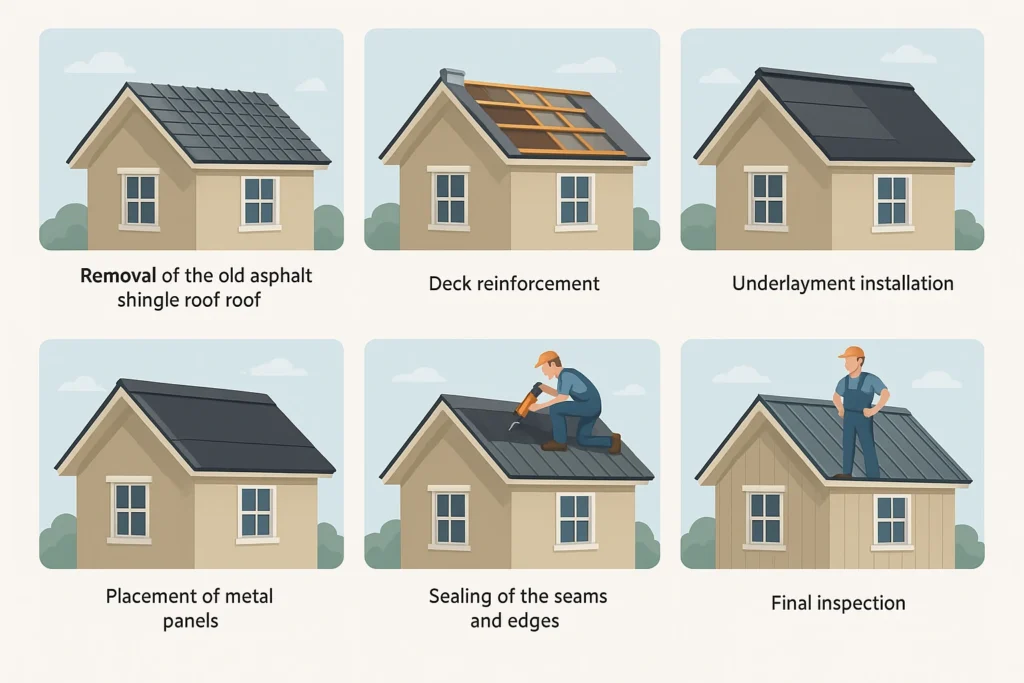
- Old roof removal (if necessary).
- Deck reinforcement.
- Ice and water shield application.
- Underlayment installation.
- Placement of panels or shingles.
- Sealing and trim finishing.
- Final inspection.
⏱️ Typical timeline: 3–7 days.
📑 Maintenance Tips
- Inspect annually for fastener or seal issues.
- Clear gutters of debris.
- Wash off algae or moss.
- Touch up protective coatings every 20–30 years.
📘 Environmental Benefits 🌍
- Recycled Content: 25–95% recycled.
- Reflectivity: Reduces cooling bills.
- Longevity: Lasts 2–3 times longer than asphalt.
- Cool Roof Technology: Reflects up to 85% of solar heat.
📑 Common Misconceptions
- Noise: With insulation, sound levels equal asphalt.
- Lightning: No increased risk.
- Rust: Coatings and metals like aluminum resist corrosion.
✅ Final Thoughts
Choosing the right type of metal roofing depends on your budget, climate, and design preference. Standing seam fits modern homes, corrugated suits rustic or budget-conscious projects, and copper or zinc provide unmatched longevity.
Metal roofs are more than just strong — they improve energy efficiency, raise resale value, and protect your home for decades. For professional installation and tailored advice, visit 👉 Akron Roofing Experts.